Blog
Sandalwood for Sleep — The Science Behind India’s Most Ancient Sleep Aid

Sandalwood — chandan — has been part of Indian bedtime and evening rituals for centuries. Used in temples, in attar, in evening prayers, and in traditional medicine, its calming properties were understood long before modern neuroscience had the tools to explain them.
Now it does. And the science, it turns out, validates what India always knew — while adding some details that even traditional practitioners didn’t have access to.
Here’s what actually happens when you inhale sandalwood fragrance before sleep, why it works differently from lavender or vanilla, and how to use it correctly.
What Sandalwood Does That Other Sleep Scents Don’t
Most sleep-supporting fragrances work through the GABA system — reducing neural excitability and quieting the brain’s activity. Lavender is the most studied example of this mechanism.
Sandalwood works differently. Its primary active compound, alpha-santalol, has been specifically studied for its effect on sleep architecture rather than on sleep onset. The distinction matters.
Sleep onset is about falling asleep — the transition from wakefulness to sleep. Sleep architecture is about what happens after you fall asleep — the quality and depth of the sleep itself, how much time is spent in different sleep stages.
A 2006 study published in Planta Medica found that alpha-santalol — administered via inhalation — significantly increased non-REM sleep duration in animal models. Non-REM sleep, particularly the deeper stages (N3, sometimes called slow-wave or delta sleep), is where the body does most of its physical repair work: muscle recovery, immune system regulation, growth hormone release, and cellular repair all occur disproportionately during these stages.
For anyone who falls asleep fine but wakes up feeling unrefreshed, or who trains physically and wants to optimise recovery, sandalwood’s effect on sleep depth is more relevant than a scent that merely helps you drift off faster.
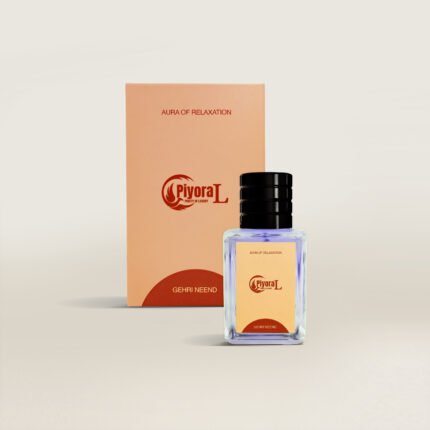
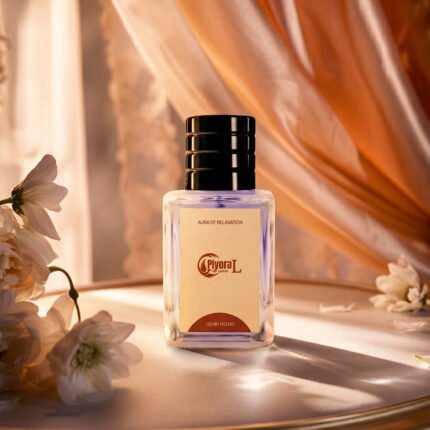
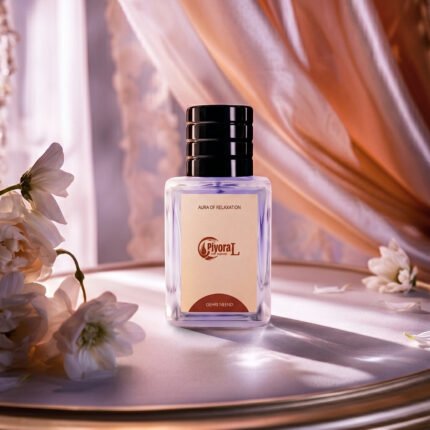
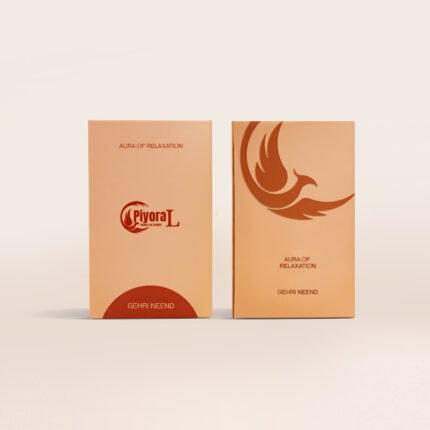
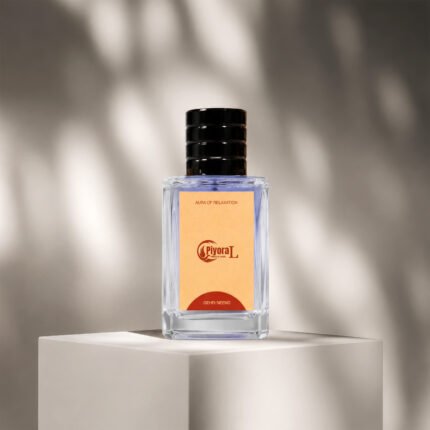
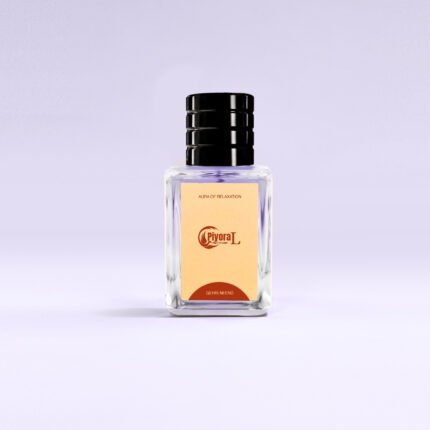
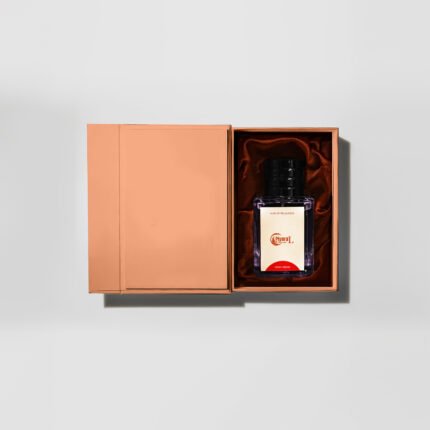
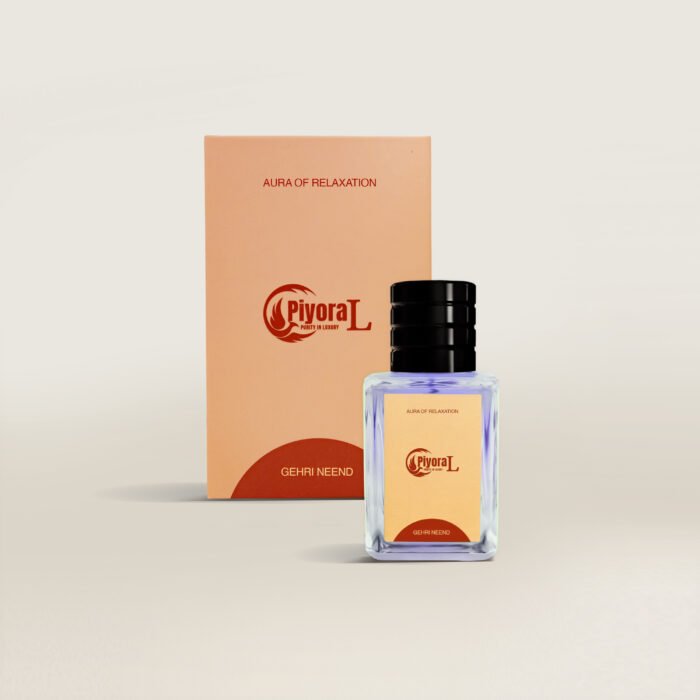
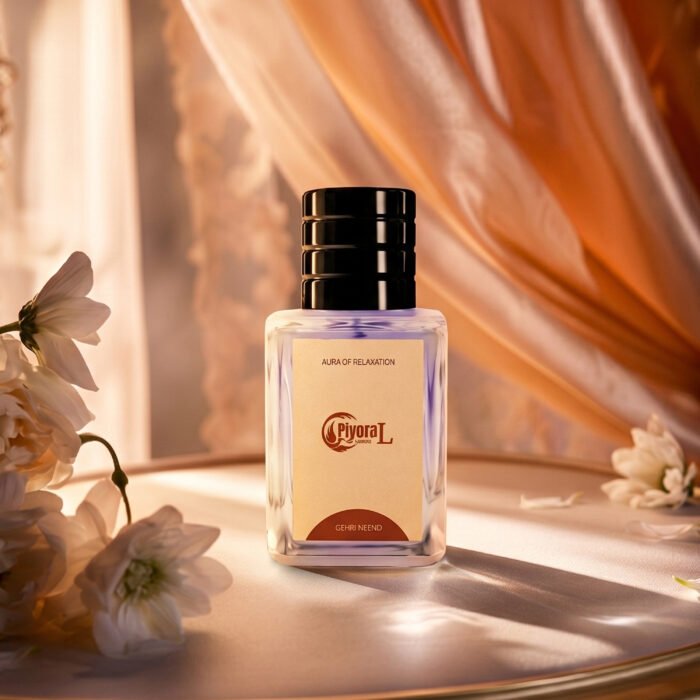
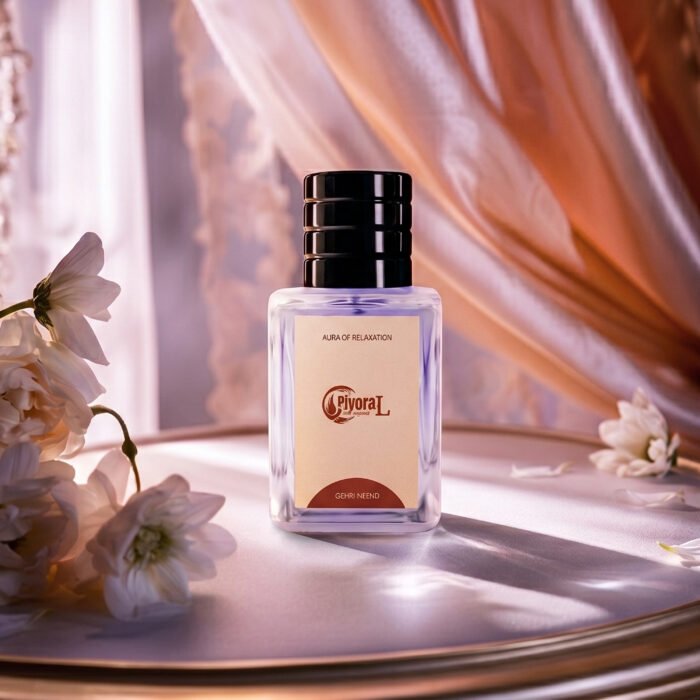
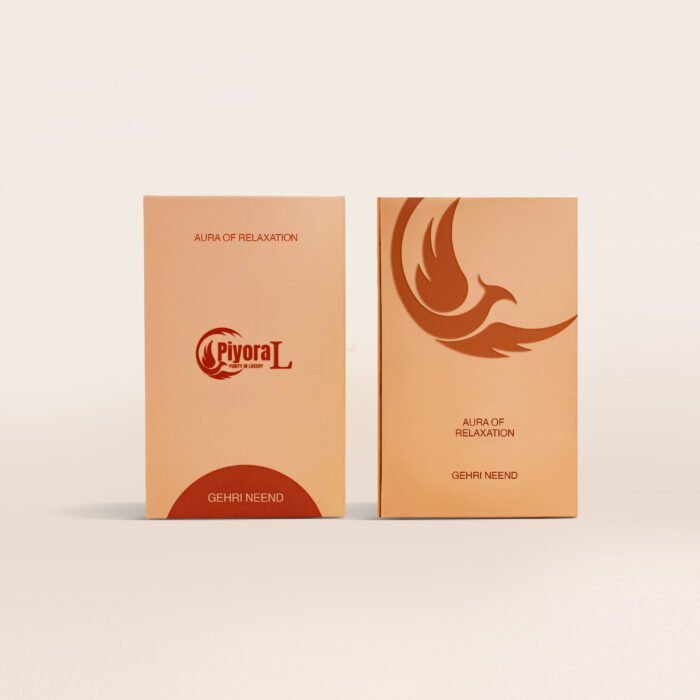
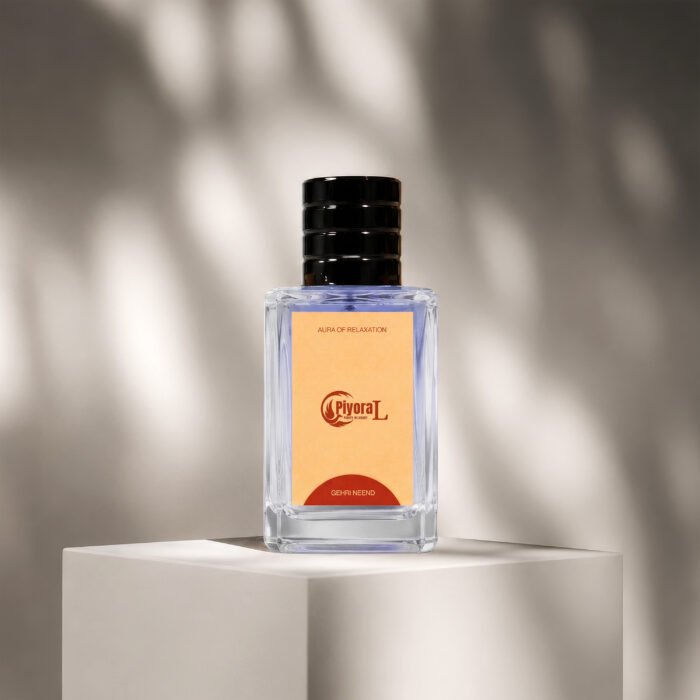
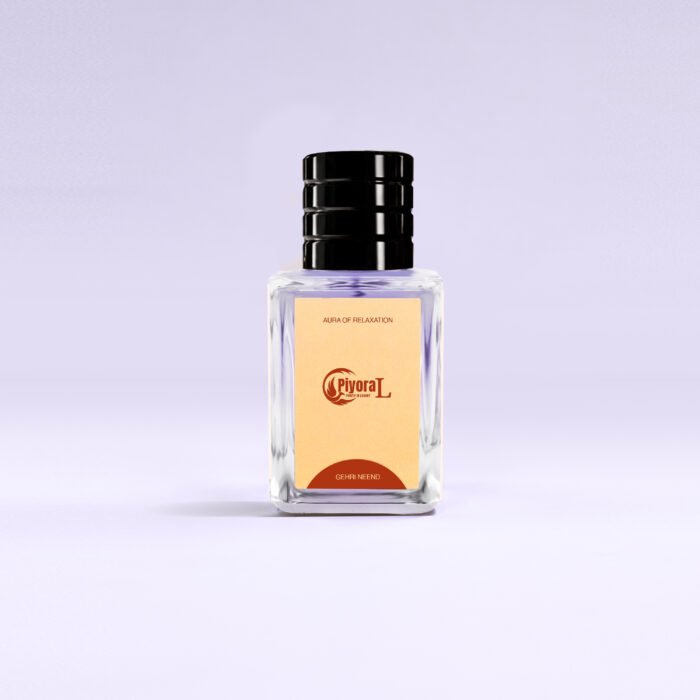
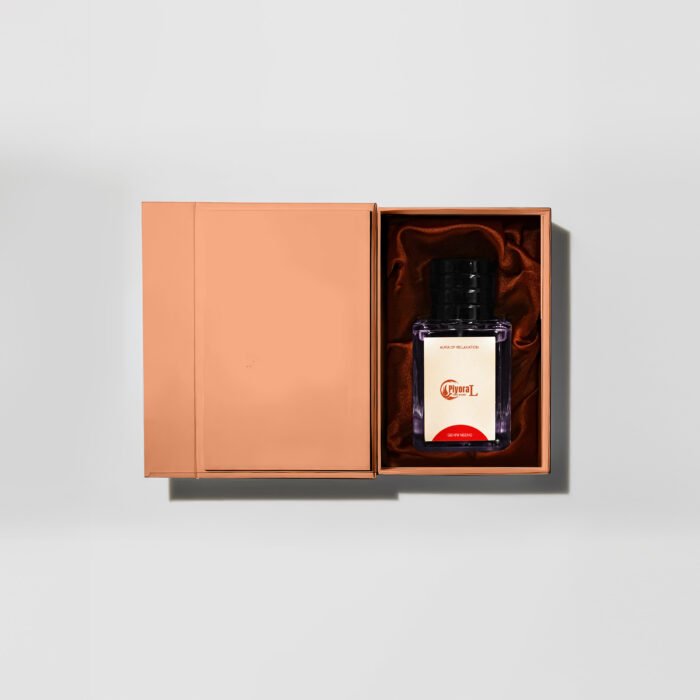
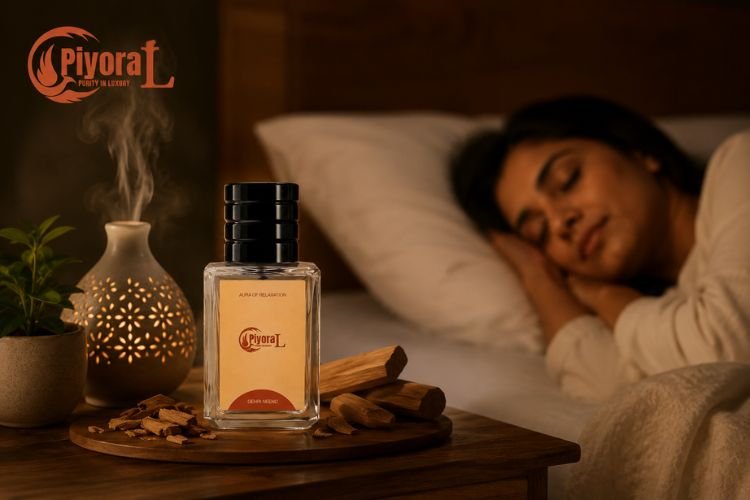
Aura of Relaxation (Gehri Nind) – 50 ML
404 in stock
The Ayurvedic Context — Why This Isn’t a Coincidence
Sandalwood’s association with sleep and mental calm in Ayurvedic medicine isn’t folk wisdom that happened to be right by luck. Ayurveda’s framework of the doshas — specifically the concept of pitta aggravation causing heat, restlessness, and mental over-activity — maps closely to what we now understand as elevated cortisol and sympathetic nervous system activation.
The traditional prescription: sandalwood to cool pitta, reduce heat in the mind, and facilitate the transition from active to restful states. The contemporary translation: alpha-santalol reduces physiological arousal and increases parasympathetic nervous system activity, supporting deeper sleep.
The vocabulary changed. The mechanism is the same.
This matters for why sandalwood works in fragrance, not just in its traditional paste form. Alpha-santalol is volatile — it enters the air and reaches the olfactory receptors, where it activates a neurological chain that ultimately produces calming effects throughout the body. The delivery mechanism is different from traditional use; the compound responsible is identical.
Sandalwood vs Lavender for Sleep — Different Problems, Different Solutions
The most common comparison: sandalwood or lavender?
They’re not direct competitors. They work on different aspects of sleep and complement rather than duplicate each other.
- Lavender: strongest for sleep onset — reducing anxiety, quieting racing thoughts, lowering cortisol to help you fall asleep. Works through GABA receptors. Best for people who struggle to fall asleep due to anxiety or mental over-activity.
- Sandalwood: strongest for sleep depth — increasing non-REM duration, deepening sleep architecture. Works through a different pathway. Best for people who fall asleep but don’t feel rested, or who want to optimise recovery during sleep.
The most effective sleep fragrances combine both — lavender handles the onset, sandalwood handles the depth. This is exactly why multi-ingredient sleep fragrances outperform single-note options for most people.
How to Use Sandalwood Fragrance for Sleep — Practically
The mechanism is olfactory — sandalwood’s effect comes from inhaling alpha-santalol, which reaches the olfactory receptors and triggers the neurological chain. This means placement and timing of application matter.
- Apply to pulse points: wrists, neck, and behind the ears. The warmth of pulse points helps diffuse the fragrance slowly and continuously as you lie down.
- Timing: 20–30 minutes before you intend to sleep. This allows the fragrance to settle and begin its effect before you’re in bed.
- Consistency: like all olfactory interventions, sandalwood’s sleep-supporting effect compounds with consistent use. The direct chemical effect is present from the first night; a conditioned association (where your brain learns to associate the scent with sleep) builds over two to three weeks of nightly use.
- Temperature: keep the room cool. Sandalwood’s effect on non-REM sleep works alongside the body’s natural temperature-drop that initiates deep sleep. A warm room partly counteracts both.
Gehri Nind — How Sandalwood Fits In
Piyora L’s Gehri Nind combines sandalwood with lavender and vanilla — each addressing a different aspect of sleep. Lavender handles onset (falling asleep faster), sandalwood handles depth (sleeping more restoratively), and vanilla creates a warm baseline that signals physiological safety to the nervous system throughout the night.
The combination is deliberate. For someone using a sleep fragrance seriously — not just for the smell but for the actual effect on sleep quality — the three-ingredient approach covers more of the sleep problem than any single compound alone.
| ‘Explore Gehri Nind → ‘Does lavender perfume help sleep?’ |
The Bottom Line
Sandalwood is not a sedative and it won’t put you to sleep. What it does — specifically, consistently, and through a documented mechanism — is deepen the sleep you get. For physical recovery, immune function, and waking up feeling genuinely rested rather than merely having closed your eyes for seven hours, sleep depth matters as much as sleep duration.
India’s ancient relationship with chandan wasn’t superstition. It was observation — careful, repeated, and correct. The science caught up.
| ‘Gehri Nind by Piyora L combines sandalwood with lavender and vanilla — onset, depth, and calm, together. Explore Gehri Nind →’Check Now‘ |
Frequently Asked Questions
Yes — through a documented mechanism. Sandalwood’s primary compound, alpha-santalol, has been shown in research to increase non-REM sleep duration. Non-REM sleep (particularly deep slow-wave sleep) is where physical recovery, immune regulation, and growth hormone release occur. Sandalwood works on sleep depth rather than onset — making it most valuable for people who fall asleep but don’t feel rested, or those optimising sleep for physical recovery. Its effect compounds with consistent use over two to three weeks.
They address different aspects of sleep. Lavender works primarily on sleep onset — reducing anxiety and cortisol to help you fall asleep faster, through its interaction with GABA receptors. Sandalwood works on sleep architecture — specifically increasing non-REM sleep duration through a different neurological pathway. For someone who struggles to fall asleep, lavender is more directly useful. For someone who falls asleep but sleeps shallowly or wakes unrefreshed, sandalwood is more relevant. The two compounds complement each other and are most effective when combined.
Alpha-santalol is the primary active compound in sandalwood essential oil, responsible for most of its documented effects. It’s volatile — it evaporates into the air and reaches olfactory receptors when you inhale sandalwood fragrance. Research shows alpha-santalol significantly increases non-REM sleep duration, reduces physiological arousal, and activates the parasympathetic nervous system. It works through different receptors than lavender’s linalool, which is why the two compounds complement rather than duplicate each other in a sleep fragrance formulation.
In Ayurvedic medicine, sandalwood (chandan) is classified as a pitta-reducing ingredient — pitta being the dosha associated with heat, intensity, and mental over-activity. Elevated pitta manifests as restlessness, irritability, and difficulty settling the mind before sleep. Sandalwood paste applied to the forehead and sandalwood-based attars were traditional interventions for this. Contemporary understanding of alpha-santalol’s effect on physiological arousal and non-REM sleep validates the Ayurvedic application — different vocabulary, same underlying mechanism.
Apply to pulse points (wrists, neck, behind the ears) 20–30 minutes before sleep. The warmth of pulse points diffuses the fragrance continuously as you lie down. Use it nightly rather than occasionally — the conditioned association that builds over two to three weeks is as important as the direct chemical effect. Keep the room cool, as sandalwood’s effect on deep sleep works alongside the body’s natural temperature drop that initiates non-REM sleep stages. Sandalwood works best as part of a consistent sleep ritual, not as an occasional one-off intervention.
Gehri Nind — meaning ‘deep sleep’ in Hindi — is a sleep wellness perfume by Piyora L that combines sandalwood with lavender and vanilla. Sandalwood addresses sleep depth (non-REM duration), lavender addresses sleep onset (falling asleep faster through cortisol reduction), and vanilla creates a calming sensory baseline. The three-ingredient formulation is designed to address multiple aspects of sleep quality rather than a single one. Applied nightly as part of a bedtime ritual, it builds both direct chemical effects and conditioned association for progressively better sleep.
-
Aura of Attraction (Saccha Rishta | सच्चा रिश्ता) – 50 ML
Original price was: ₹1,699.00.₹1,099.00Current price is: ₹1,099.00. -
Aura of Peace (Anger Control | शांत मन) – 50 ML
Original price was: ₹1,699.00.₹1,099.00Current price is: ₹1,099.00. -
Aura of Prosperity (Kamyabi) – 50 ML
Original price was: ₹1,699.00.₹1,099.00Current price is: ₹1,099.00.