Blog
Perfume for Anger Management — The Complete Guide to Calming Fragrances India

Anger is one of the most misunderstood emotions. Most people treat it as the problem. It isn’t. Anger is a signal — a flag from your nervous system that something feels wrong, unfair, or threatening. The problem isn’t the anger itself. It’s what happens when that signal has nowhere useful to go.
Unmanaged anger damages relationships, careers, and health. Chronic anger keeps cortisol elevated, which affects sleep, immunity, and cardiovascular function over time. And for most people, the tools they’ve been given for managing anger — breathe, count to ten, walk away — work in theory and fail in practice when the feeling actually hits.
This guide is about a different approach. Not instead of the classics, but alongside them. Fragrance — specifically, the right fragrance used in the right way — can play a genuine role in anger management. Not as a magic solution, but as a fast-acting sensory tool that works with how your nervous system actually functions.
Here’s what the science says, which ingredients matter, and how to build fragrance into an anger management routine that actually works.
Why Scent Works Faster Than Thought for Anger
To understand why fragrance can help with anger, you need to understand where anger lives in the brain.
The amygdala — a small, almond-shaped structure deep in the brain — is the primary trigger for anger and fear responses. When you perceive a threat (physical or social), the amygdala fires before the rational prefrontal cortex even has time to process what’s happening. This is why anger feels instantaneous and why trying to ‘think your way out’ of an anger spike is so difficult — by the time rational thought kicks in, the emotional response has already launched.
Scent is the only sensory input that bypasses the thalamus — the brain’s sensory relay station — and connects directly to the amygdala and hippocampus. Every other sense (sight, sound, touch, taste) goes through the thalamus first, which adds processing time. Smell doesn’t. It arrives at the brain’s emotional centres faster than any other sensory signal.
This means a calming fragrance can reach and influence the amygdala before a cognitive intervention has a chance to. It is, in a very literal neurological sense, a faster tool than thought for interrupting an anger response in its early stages.

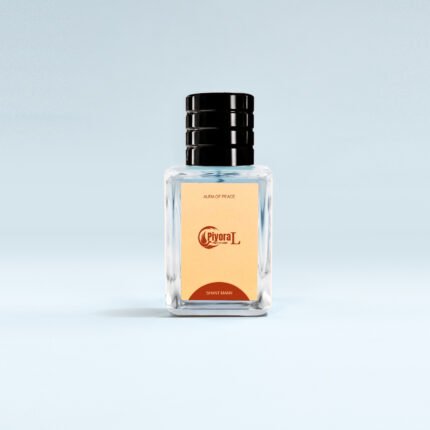
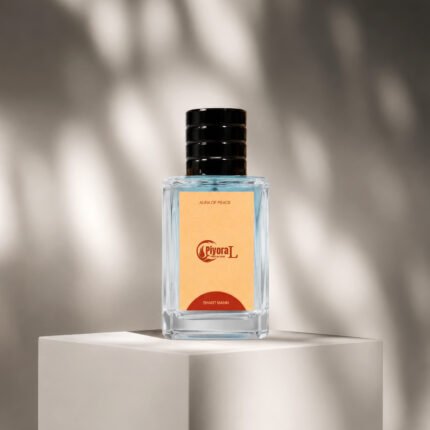
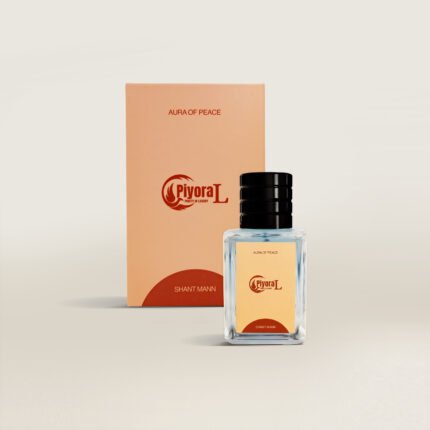

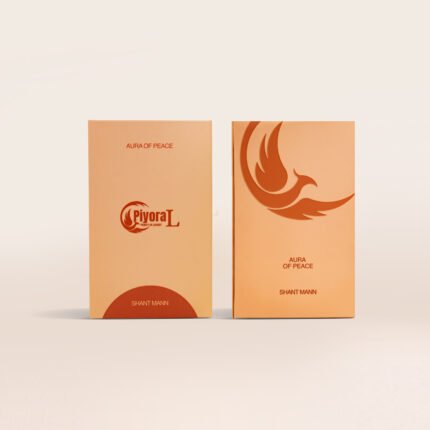
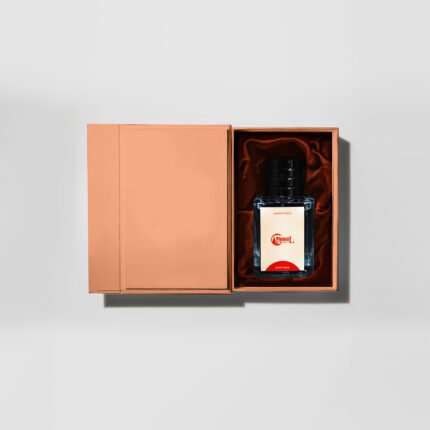

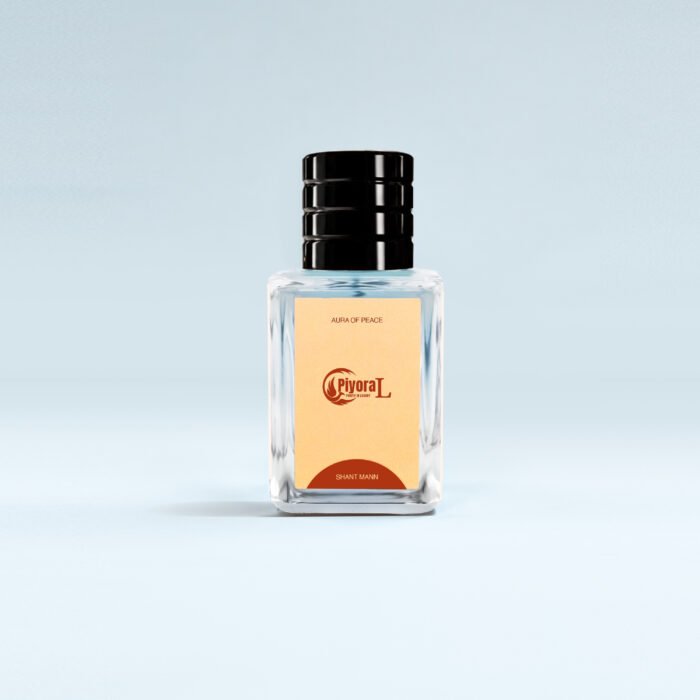
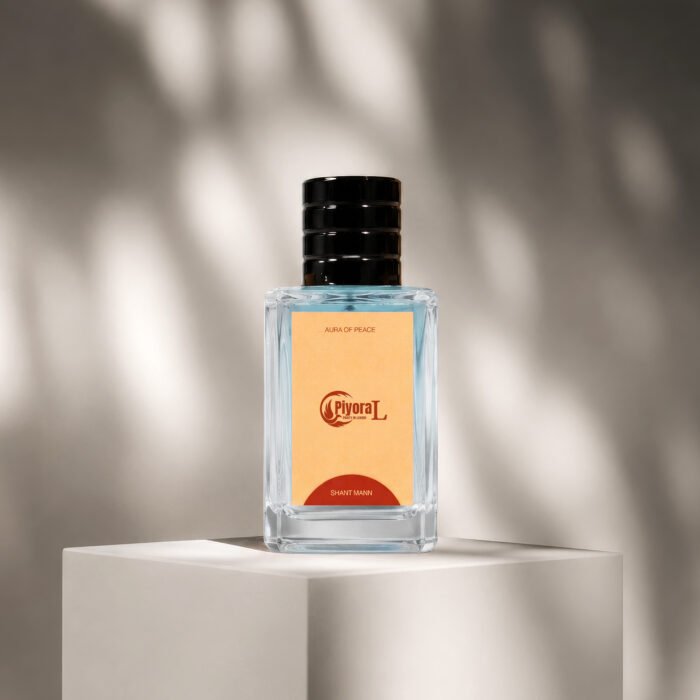
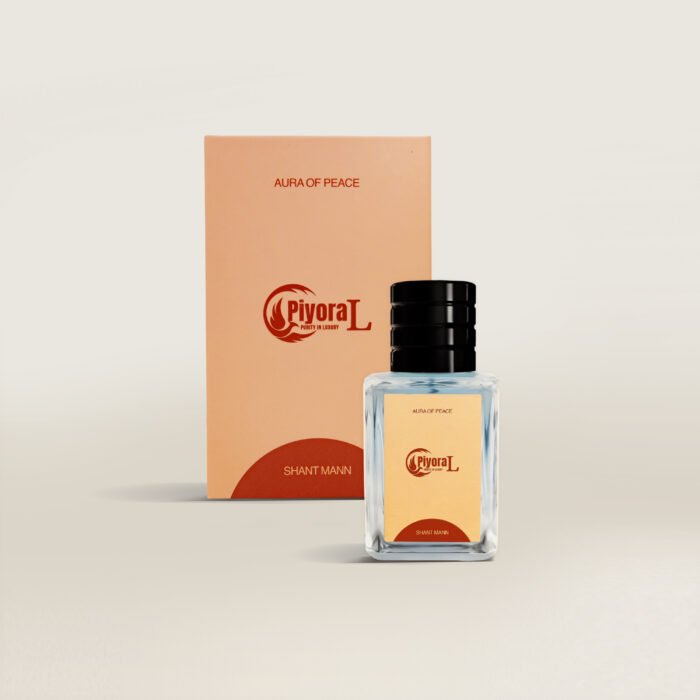
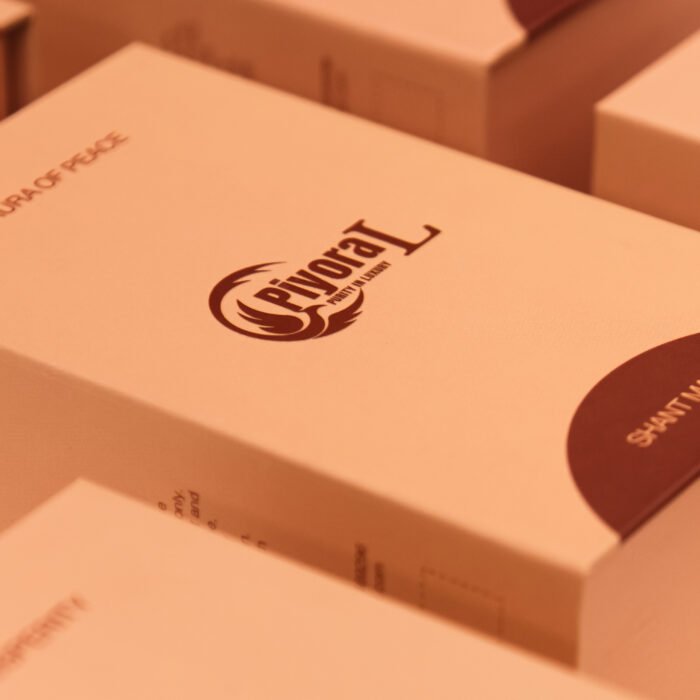
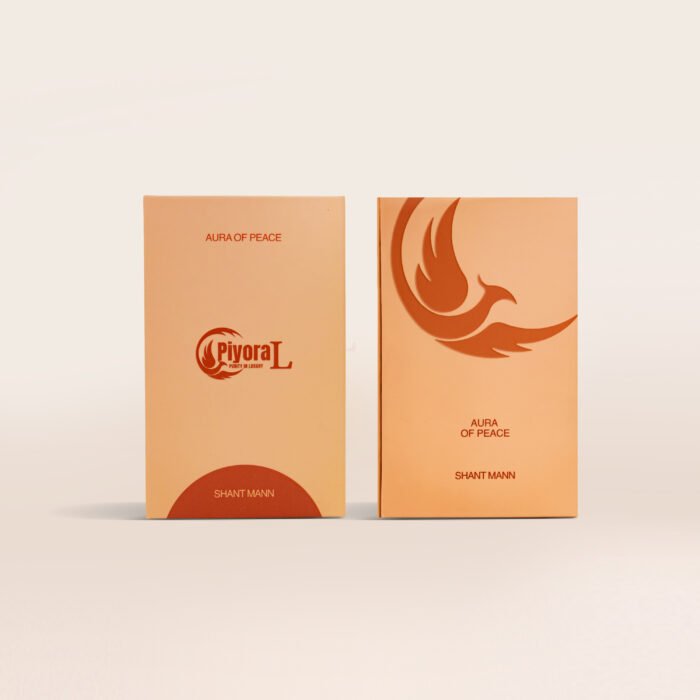
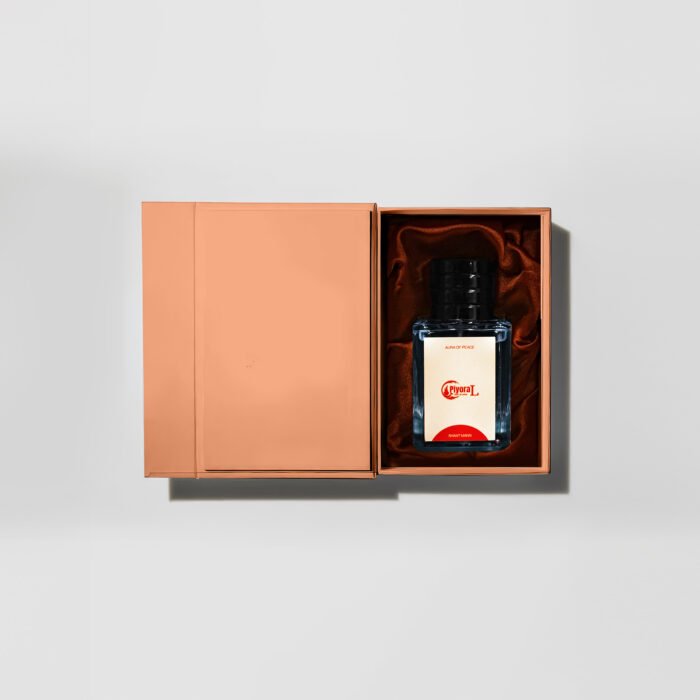
Aura of Peace (Anger Control | शांत मन) – 50 ML
459 in stock
The Science Behind Calming Ingredients
Not all fragrances calm the mind. The effect is specific to certain compounds, and understanding which ones and why helps you choose products that actually work rather than ones that just smell pleasant.
Bergamot — The Cortisol Reducer
Bergamot is a citrus fruit whose essential oil is one of the most studied in aromatherapy research. Its primary active compounds — linalool and linalyl acetate — have documented anxiolytic (anti-anxiety) effects. Multiple clinical studies have shown that inhaling bergamot essential oil reduces salivary cortisol levels, lowers heart rate, and improves mood state in ways that are measurable rather than merely subjective.
For anger specifically, bergamot works by reducing the cortisol elevation that accompanies anger arousal. Cortisol is the primary stress hormone — when it’s high, the threshold for anger becomes lower, and recovery from an anger episode takes longer. Bergamot helps lower this baseline, making the next trigger less likely to escalate.
Rose — The Emotional Regulator
Rose has been used in traditional wellness practices across India and the Middle East for centuries — not arbitrarily, but because its effect on emotional states is real. Rose contains phenylethylamine (PEA), a compound associated with mood elevation, and geraniol, which has mild sedative properties.
Research on rose aromatherapy shows reduced anxiety scores, lowered blood pressure, and improved emotional regulation. For anger management, rose works slightly differently from bergamot: rather than directly reducing cortisol, it appears to improve the brain’s ability to regulate emotional intensity — making strong emotions feel less overwhelming without suppressing them.
Sandalwood — The Grounding Agent
Sandalwood’s primary compound, alpha-santalol, has documented sedative properties — it increases non-REM sleep duration when used for sleep, and reduces alertness and physiological arousal more broadly. For anger management, sandalwood functions as a grounding agent: it brings the body’s arousal level down from the spike that anger creates, supporting the return to baseline.
In Ayurvedic practice, sandalwood (chandan) has been associated with calming the mind and reducing pitta — the dosha associated with heat, intensity, and anger — for thousands of years. The traditional use aligns with what modern research shows about the compound’s physiological effects.
How to Use Calming Fragrance for Anger Management — Practically
Understanding the science is useful. But the practical question is: how do you actually incorporate fragrance into an anger management approach in a way that works?
There are two distinct uses — preventive and responsive — and they work differently.
Preventive Use — Building a Baseline
The most effective use of calming fragrance for anger management is as part of a daily regulation routine. Applied consistently — in the morning, or at a regular time each day — a fragrance containing bergamot, rose, or sandalwood works to maintain a lower cortisol baseline throughout the day.
When your baseline cortisol is lower, your anger threshold is higher. Things that would normally trigger a response don’t reach the trigger point. Responses that do occur are less intense and shorter-lived. You have more space between stimulus and reaction.
This is the less dramatic but more powerful use of calming fragrance. It doesn’t feel like ‘doing anger management’ — it feels like smelling good. The effect accumulates over weeks of consistent use as the brain also builds a conditioned association between the scent and the calm state.
Responsive Use — In the Moment
The second use is in-the-moment: when you feel anger rising, applying or inhaling a calming fragrance can help interrupt the escalation in its early stages. This works best if the scent is already familiar — if your brain already associates it with calm — because the conditioned response compounds the direct chemical effect.
Practically, this means keeping the fragrance accessible: on your desk, in your bag, at your workstation. The moment you notice the physical signs of rising anger — tight chest, raised shoulders, faster breathing — is the ideal moment to use it. Early interruption is far more effective than trying to calm down after anger has fully escalated.
Pair this with the one technique that works even during a full anger spike: extended exhale breathing. Breathe in for 4 counts, hold for 1, exhale for 7–8 counts. Do this while inhaling the fragrance. The combination — sensory calming plus vagal nerve activation through extended exhale — produces a faster physiological state change than either alone.
Anger Management in India — The Cultural Context
In India, the relationship with anger is complicated by cultural expectations around emotional expression. In many contexts, showing anger is seen as a loss of dignity — so it gets suppressed rather than managed. Suppression and management are not the same thing. Suppressed anger doesn’t go away; it accumulates, and often erupts disproportionately when it does come out.
The wellness landscape in India is also shifting. There’s growing awareness of mental health, emotional regulation, and the legitimate tools available for managing difficult emotions. Fragrance sits at an interesting intersection here: it’s culturally familiar (attar, agarbatti, and haldi ceremonies all engage scent for emotional and spiritual purposes), scientifically supported, and practical in a way that formal therapy isn’t always accessible.
Using a calming fragrance for anger management isn’t a western import. It’s a contemporary version of something Indian wellness traditions have practised for a very long time.
Building a Complete Anger Management Routine with Fragrance
Fragrance works best as part of a broader approach. Here’s what a complete routine might look like:
- Morning: apply calming fragrance as part of a morning routine — before the day’s demands begin. This sets the baseline.
- Pre-trigger awareness: identify your most common anger triggers. Before entering those situations (a difficult meeting, a frustrating commute, a challenging conversation), apply or inhale the fragrance.
- In-the-moment: at early signs of anger, pause, inhale the scent, use extended exhale breathing. Don’t try to suppress the emotion — acknowledge it, then give your nervous system a different signal to follow.
- Post-anger: once the spike passes, apply the fragrance again as part of a return-to-baseline ritual. This helps your body fully exit the arousal state rather than carrying residual cortisol into the next hour.
- Evening: a consistent wind-down routine that uses the same fragrance trains your nervous system to lower arousal at a predictable time each day — which improves the next day’s emotional regulation baseline.
This isn’t complicated. But it requires treating anger management as a practice rather than an emergency measure. The people who manage anger most effectively are those who invest in their regulation consistently, on ordinary days — not just when they’re already in the middle of an episode.
What to Look for in a Calming Perfume
Not all fragrances marketed as ‘calming’ contain the ingredients that produce calming effects. Here’s what to look for:
- Bergamot, rose, or sandalwood as primary notes — these are the best-evidenced calming ingredients for anger and anxiety
- Genuine essential oil content, not purely synthetic fragrance — synthetic bergamot smells like bergamot but may not contain linalool and linalyl acetate in meaningful concentrations
- A formulation designed for daily wear — calming effects accumulate with consistent use, so a perfume you’ll actually wear every day matters more than one you’d reserve for special occasions
- Clean base notes — heavy, warming bases (musks, amber, vanilla) tend to be more grounding than sharp, stimulating ones (citrus tops without calming middles, bright florals)
Piyora L’s Shaant Mann is formulated specifically for this purpose — bergamot and rose as primary calming notes, with grounding base notes designed to sustain the effect through a full day. It’s designed to be used as described above: daily, preventively, and responsively — as a sensory tool in an anger management routine, not merely as a fragrance.
Aura of Peace (Anger Control | शांत मन) – 50 ML
459 in stock
Explore More: Deep Dives on Specific Ingredients and Approaches
This guide covers the broad picture. If you want to go deeper on specific aspects:
- How bergamot specifically reduces cortisol and anger → Check Now
- Rose fragrance and emotional healing — the science → [link to rose cluster blog]
- Using perfume specifically for stress relief → [link to stress relief cluster blog]
- The neuroscience of scent and anger — a deeper look → Visit Now
- Fragrance vs meditation for anger — which works better? → [link to comparison blog]
The Bottom Line
Fragrance is not a replacement for anger management therapy, medication where appropriate, or the hard work of understanding your triggers and patterns. But it is a genuinely useful tool — fast-acting, accessible, and supported by real neurological mechanisms — that most people haven’t considered adding to their approach.
Used consistently as part of a daily regulation routine, a well-formulated calming fragrance lowers the cortisol baseline that makes anger easier to trigger and harder to exit. Used responsively in the moment, it provides a sensory interrupt that can buy the extra seconds needed before a spike becomes an episode.
In a country where mental health tools are still stigmatised in many contexts, fragrance offers something valuable: a way to work on emotional regulation that feels natural, private, and culturally familiar — and that actually works.
Frequently Asked Questions
Yes — through a documented neurological mechanism. Scent connects directly to the amygdala (the brain’s anger centre) faster than any other sensory input. Certain compounds — particularly linalool in bergamot and geraniol in rose — have measurable effects on cortisol levels and emotional arousal. Used consistently as part of a daily routine, calming fragrance lowers the cortisol baseline that makes anger easier to trigger. Used responsively in the moment, it provides a fast-acting sensory interrupt before anger escalates. It works alongside other approaches, not instead of them.
The best-evidenced fragrance ingredients for anger management are bergamot (reduces cortisol and anxiety), rose (supports emotional regulation and reduces intensity of strong emotions), and sandalwood (grounds physiological arousal). Individually or combined, these form the basis of effective calming fragrances. Look for products that contain genuine essential oil content rather than purely synthetic versions — the active compounds responsible for the calming effects (linalool, linalyl acetate, geraniol) need to be present for the mechanism to work.
Scent bypasses the thalamus and connects directly to the amygdala and hippocampus — the brain structures responsible for emotional response and memory. This makes olfactory signals faster than visual, auditory, or tactile ones in reaching the brain’s emotional centres. Calming compounds like linalool (in bergamot and lavender) interact with GABA receptors to reduce neural excitability, and reduce salivary cortisol — the stress hormone that lowers the anger threshold. The result is both a direct chemical calming effect and, with consistent use, a conditioned association between the scent and the calm state.
Use it in two ways. First, preventively: apply it daily as part of a morning routine to maintain a lower cortisol baseline throughout the day — this raises your anger threshold so triggers are less likely to escalate. Second, responsively: at the first signs of rising anger (tight chest, faster breathing, raised tension), inhale the fragrance and pair it with extended exhale breathing (4 counts in, 7–8 counts out). Early use is far more effective than waiting until anger has fully escalated. Consistency over weeks builds the conditioned association that makes the scent increasingly effective over time.
They’re different tools that work at different points and through different mechanisms. Meditation builds long-term emotional regulation capacity through consistent practice — it changes how the brain processes emotional stimuli over months. Fragrance works faster in the moment — it reaches the amygdala before rational intervention can, making it more useful as an in-the-moment interrupt. The most effective approach combines both: meditation or mindfulness for long-term regulation, fragrance as a fast-acting sensory tool for acute moments. Neither replaces the other.
Shaant Mann — meaning ‘peaceful mind’ in Hindi — is a purpose-built anger management and calming fragrance by Piyora L, an Indian wellness perfume brand. Formulated with bergamot and rose as primary active notes — chosen for their documented effects on cortisol reduction and emotional regulation — with grounding base notes to sustain the calming effect through the day. Designed to be used both preventively (daily wear for baseline regulation) and responsively (in-the-moment during anger episodes). It functions as a sensory tool in an anger management routine rather than as a conventional fragrance.
-
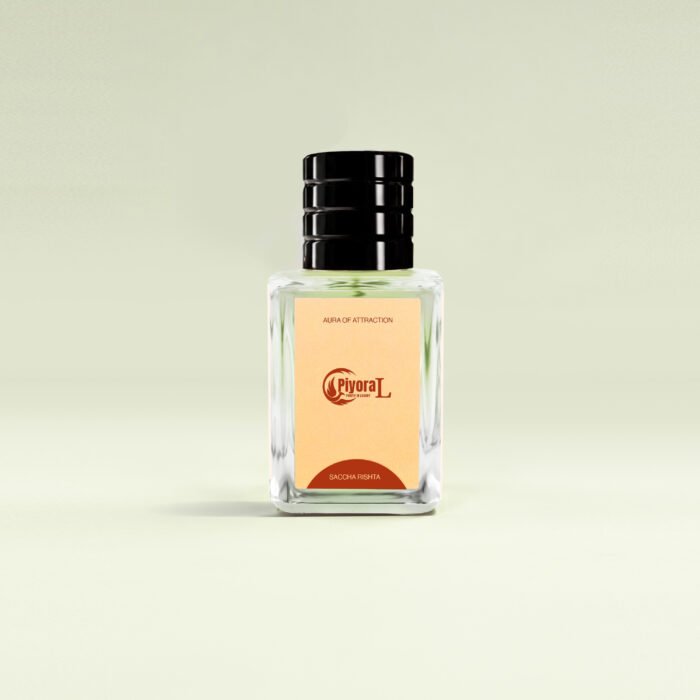
Aura of Attraction (Saccha Rishta | सच्चा रिश्ता) – 50 ML
Original price was: ₹1,699.00.₹1,099.00Current price is: ₹1,099.00. -
Aura of Peace (Anger Control | शांत मन) – 50 ML
Original price was: ₹1,699.00.₹1,099.00Current price is: ₹1,099.00. -
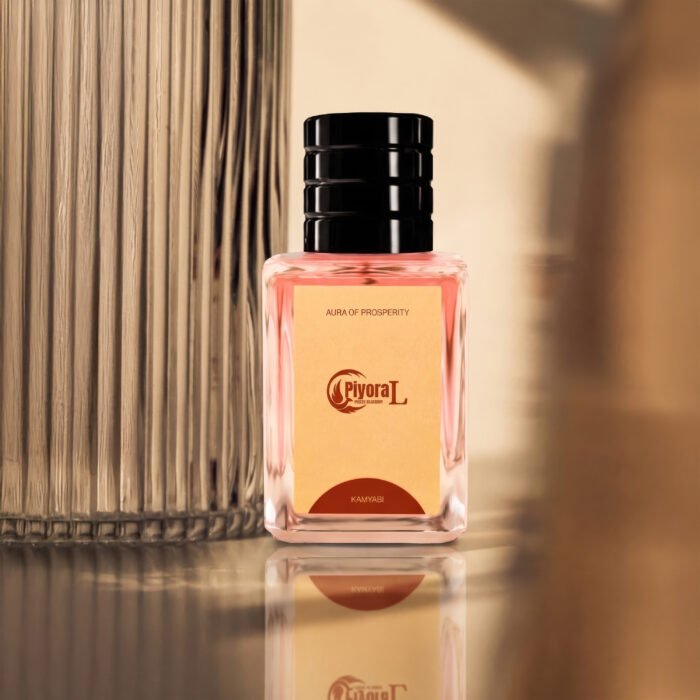
Aura of Prosperity (Kamyabi) – 50 ML
Original price was: ₹1,699.00.₹1,099.00Current price is: ₹1,099.00.