Blog
Bergamot Perfume for Anger Relief — What the Science Actually Shows | Piyora L

Bergamot is one of the most studied fragrance ingredients in clinical aromatherapy research. Not lavender, not rose — bergamot. And most people who encounter it in a perfume or candle have no idea that behind the pleasant citrus-floral smell is a reasonably well-documented compound profile for anxiety and anger reduction.
This isn’t wellness marketing. The mechanism is neurological and measurable. Here’s what the research shows, why it works for anger specifically, and what it can and can’t do.
What Bergamot Actually Contains
Bergamot essential oil comes from the rind of the bergamot orange — a citrus fruit grown primarily in Calabria, Italy, though the tree is also cultivated in parts of India and Southeast Asia. What makes it relevant for anger and anxiety is its chemical composition.
The two primary active compounds are linalool (also found in lavender) and linalyl acetate. Together they make up roughly 80% of bergamot essential oil. These compounds interact with the GABA system — the brain’s primary inhibitory neurotransmitter network — in ways that reduce neural excitability. Less neural excitability means a quieter, less reactive nervous system.
Bergamot also contains flavonoids — particularly neohesperidin and naringin — which have documented anti-inflammatory and mood-modulating effects. The combination of GABA-adjacent compounds and flavonoids makes bergamot’s action on mood and emotional regulation more multi-layered than most single-note aromatic compounds.
The Cortisol Connection — Why Bergamot Works for Anger Specifically
Cortisol is the stress hormone that plays a central role in anger. When you’re under sustained stress — or when an anger trigger occurs — cortisol rises. Elevated cortisol lowers your anger threshold (making triggers more likely to produce a response), prolongs the angry state (making it harder to return to baseline), and impairs the prefrontal cortex function needed to override the amygdala’s reactive impulses.
Multiple clinical studies have measured bergamot aromatherapy’s effect on salivary cortisol — a reliable proxy for circulating cortisol levels. The findings are consistent: inhaling bergamot essential oil reduces salivary cortisol in both acute (immediate) and sustained (over time) applications.
A 2011 study in Evidence-Based Complementary and Alternative Medicine found that participants who received bergamot aromatherapy showed significant reductions in anxiety scores and improved mood state compared to controls. A 2015 study in Phytotherapy Research documented reduced cortisol and heart rate variability improvements following bergamot inhalation.
For anger specifically, the cortisol reduction is the key mechanism. Lower cortisol means a higher threshold before anger is triggered, and a faster return to baseline once it is. Bergamot doesn’t prevent anger — it makes it less easily provoked and shorter-lived.
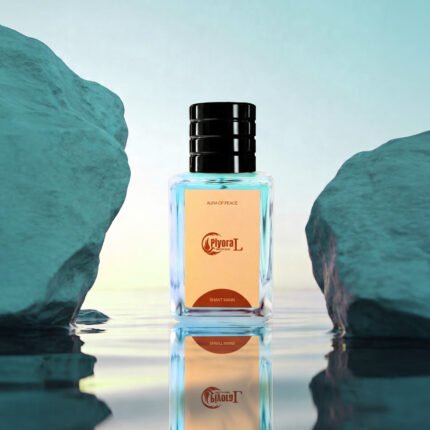
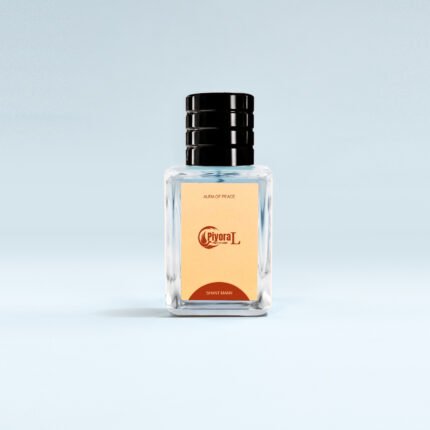
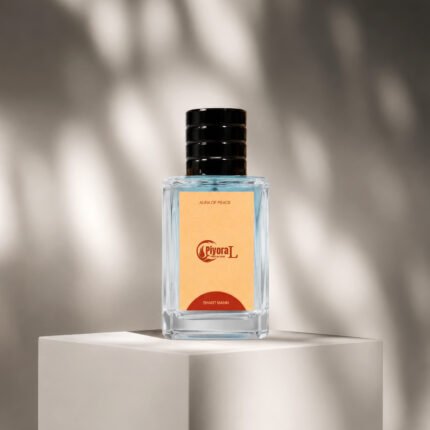
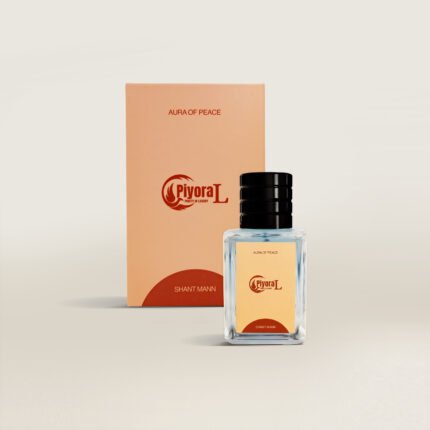
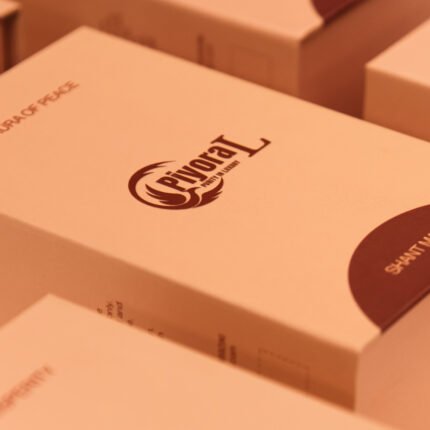
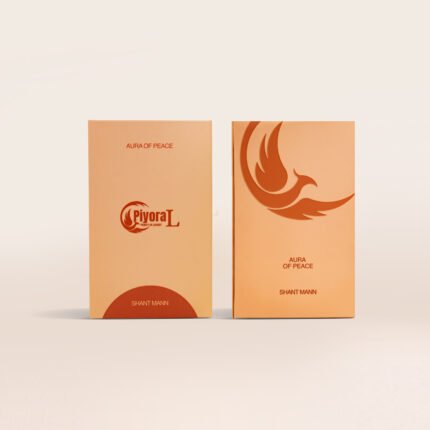
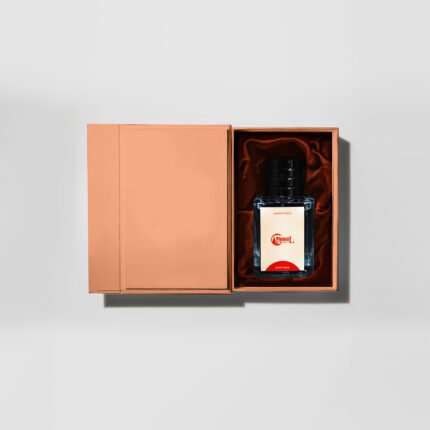
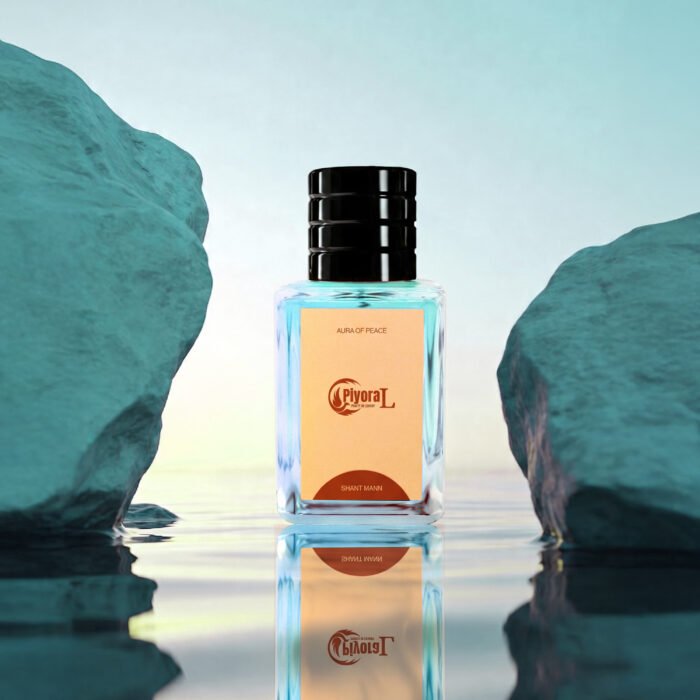
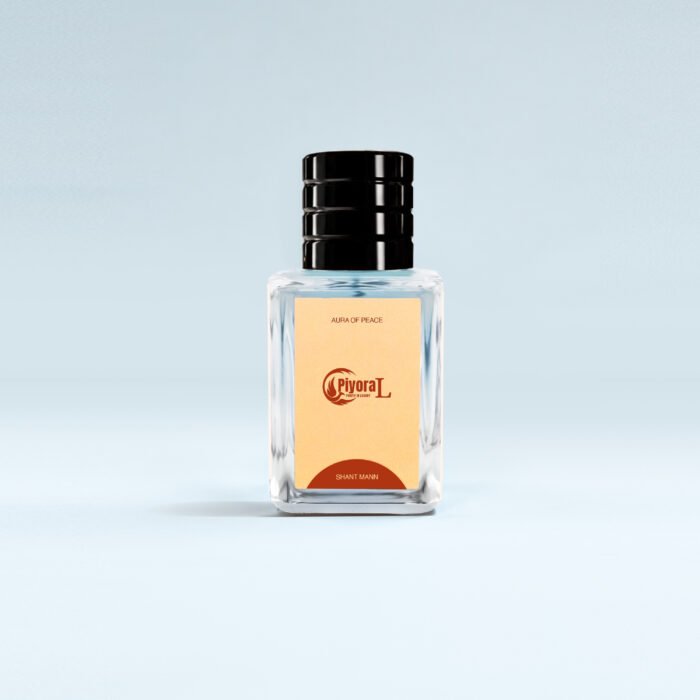
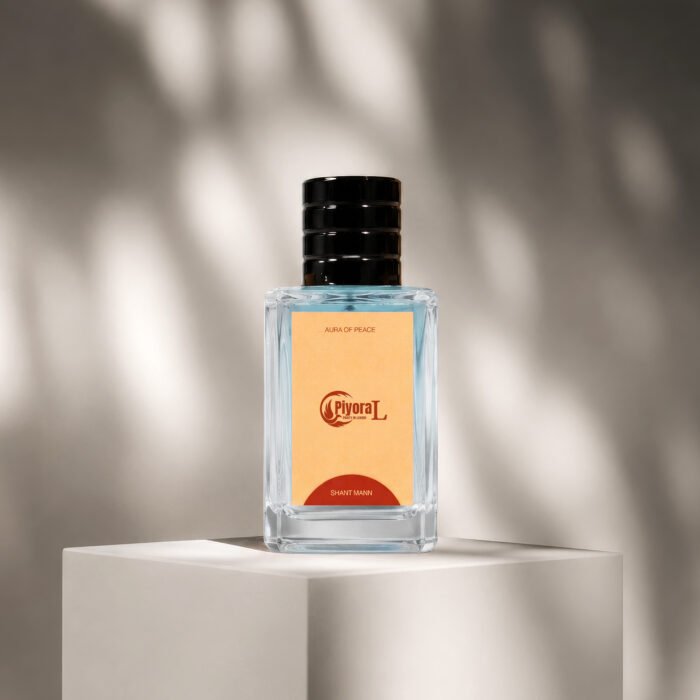
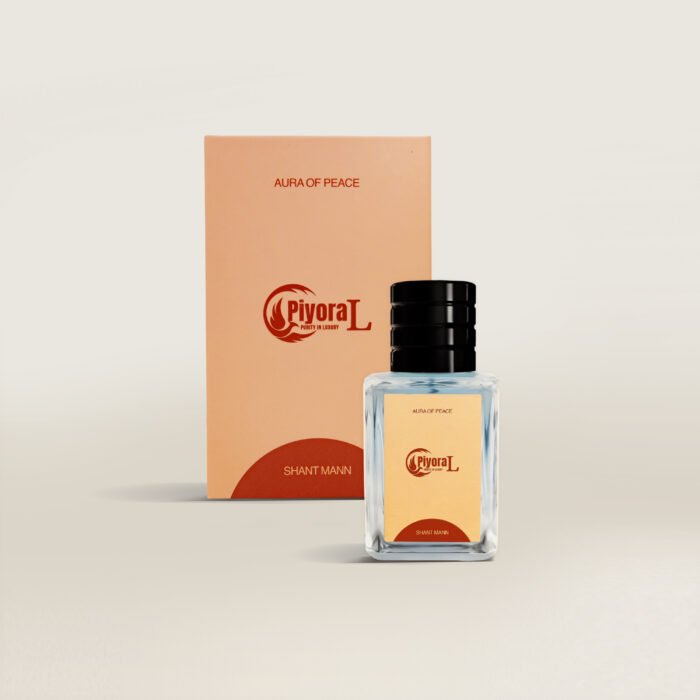
Aura of Peace (Anger Control | शांत मन) – 50 ML
459 in stock
Bergamot vs Lavender — The Difference Matters
Both contain linalool. Both interact with the GABA system. Why does the distinction matter?
Lavender’s action is more directly sedating — its linalool concentration and the presence of additional sedative terpenes make it effective for sleep onset and generalized anxiety, but it can produce a heaviness that doesn’t suit daytime anger management or working contexts.
Bergamot’s action is more precisely anxiolytic without being sedating. The combination of linalool with linalyl acetate and the bergamot flavonoids produces cortisol reduction and mood improvement without the heaviness that can accompany lavender. This makes bergamot more suitable for anger management during the day — in work environments, in difficult conversations, in situations where you need to be calm but also alert and functional.
For anger management specifically, this distinction is practically significant. The goal isn’t to be drowsy — it’s to be calm, clear, and capable. Bergamot supports this profile; lavender, while useful for sleep, is less ideal for daytime emotional regulation.
The Amygdala Interrupt — Scent’s Unique Advantage
Anger is largely an amygdala-driven response. The amygdala fires before the prefrontal cortex has time to evaluate whether the anger is proportionate or useful. This is why anger can feel involuntary and why trying to ‘think’ your way out of an anger spike rarely works in the moment.
Scent bypasses the thalamus and connects directly to the amygdala — making it one of the few sensory inputs that can reach the brain’s anger centre faster than a conscious thought. This is the key advantage of olfactory anger management tools over cognitive ones: they operate at the speed of reflex, not the speed of reason.
Bergamot’s compounds, reaching the amygdala directly via the olfactory pathway, reduce the amygdala’s excitability — the same way a GABA-activating compound would, but delivered through smell rather than ingestion. The result is a measurable reduction in the intensity of the anger response, provided the fragrance is encountered in the early stages of the emotion rather than after full escalation.
This is why timing matters: bergamot works best as an early interrupt, not a post-escalation cure. The moment you notice tension rising is the moment to use it — not after the argument has already happened.
How to Use Bergamot Fragrance for Anger Relief — Practically
There are two modes of use, and understanding the difference makes the tool significantly more effective.
Daily Baseline Use
Worn daily — in the morning, before the day’s demands begin — bergamot fragrance maintains a lower cortisol baseline throughout the day. Lower baseline cortisol means a higher anger threshold: things that would otherwise trigger you reach the trigger point less often. This is the more powerful long-term use.
In-the-Moment Use
When you notice the early physical signs of anger — tight chest, raised shoulders, shortened breathing — a deliberate inhalation of bergamot fragrance (wrists to nose, slow deliberate breath) can interrupt the escalation. Paired with extended exhale breathing (4 counts in, 7-8 counts out), the combination produces a faster physiological state change than either alone.
Shaant Mann by Piyora L is formulated with bergamot and rose as primary calming notes — bergamot for the cortisol and amygdala mechanism, rose for emotional regulation and mood support. Designed for both daily baseline use and in-the-moment anger management.
| ‘Explore Shaant Mann → perfume for anger management guide |
What Bergamot Can’t Do
To be direct: bergamot is not a treatment for clinical anger disorders, chronic rage, or trauma-related emotional dysregulation. If anger is significantly affecting your relationships, work, or wellbeing, professional support — therapy, counselling, or psychiatric evaluation — is the appropriate primary intervention.
Within its actual scope — reducing cortisol, lowering the anger threshold, providing a fast-acting olfactory interrupt for mild to moderate anger responses — bergamot is a genuinely useful, evidence-backed tool. Within that scope, use it. Outside it, acknowledge its limits.
| ‘Shaant Mann by Piyora L — bergamot and rose for daily calm and in-the-moment anger management. Explore Shaant Mann |
Frequently Asked Questions
Yes — through a documented mechanism. Bergamot contains linalool and linalyl acetate, which interact with the brain’s GABA system to reduce neural excitability, and its flavonoids have mood-modulating effects. Multiple clinical studies show bergamot aromatherapy reduces salivary cortisol — the stress hormone central to anger escalation. Lower cortisol means a higher anger threshold and faster return to baseline. It works best as an early interrupt (at the first signs of rising anger) and as a daily baseline tool (reducing overall cortisol through regular use).
Both contain linalool and interact with the GABA system, but they work differently. Lavender is more sedating — effective for sleep and generalized anxiety but can cause heaviness unsuitable for daytime anger management. Bergamot’s action is more precisely anxiolytic without sedation: it reduces cortisol and improves mood state while keeping you alert and functional. For anger during the day — in work situations, difficult conversations, or while you need to remain active — bergamot’s profile is more appropriate than lavender’s.
Clinical studies measuring salivary cortisol (a reliable proxy for circulating cortisol) consistently show bergamot aromatherapy reduces cortisol levels in both acute and sustained applications. Elevated cortisol lowers anger threshold, prolongs angry states, and impairs prefrontal cortex function needed to regulate emotional responses. By reducing cortisol, bergamot raises the threshold at which anger is triggered, reduces the intensity of the response when it occurs, and supports faster return to calm baseline. The effect is measurable, not merely subjective.
The neurochemical effect begins within minutes of inhalation — linalool and linalyl acetate reach the brain’s limbic structures via the olfactory pathway without the processing delay of other sensory inputs. For acute anger management, this makes bergamot one of the faster-acting tools available. However, the effect is most powerful in the early stages of anger arousal — before the emotion has fully escalated. Once anger has reached peak intensity, even fast-acting neurological tools have limited effectiveness. Early use is significantly more effective than late intervention.
Yes — daily use is actually the more powerful application. Used daily, bergamot maintains a lower cortisol baseline throughout the day, raising your anger threshold so triggers are less likely to escalate. This preventive use is more effective than only reaching for it when anger spikes. The conditioned association also builds with consistent use — over two to three weeks, your brain learns to associate the scent with a calm state, making the calming effect progressively more automatic. Daily wear as part of a morning routine is the recommended approach.
Shaant Mann — meaning ‘peaceful mind’ in Hindi — is a purpose-built calming fragrance by Piyora L formulated with bergamot and rose as primary active notes. Bergamot provides cortisol reduction and GABA-adjacent calming through linalool and linalyl acetate. Rose supports emotional regulation and mood through phenylethylamine and geraniol. Designed for both daily baseline use (maintaining lower cortisol throughout the day) and in-the-moment anger management (as a fast-acting olfactory interrupt during early anger arousal). It is a sensory anger management tool, not merely a fragrance.
-
Aura of Attraction (Saccha Rishta | सच्चा रिश्ता) – 50 ML
Original price was: ₹1,699.00.₹1,099.00Current price is: ₹1,099.00. -
Aura of Peace (Anger Control | शांत मन) – 50 ML
Original price was: ₹1,699.00.₹1,099.00Current price is: ₹1,099.00. -
Aura of Prosperity (Kamyabi) – 50 ML
Original price was: ₹1,699.00.₹1,099.00Current price is: ₹1,099.00.