Blog
How Fragrance Affects Attraction — The Neuroscience of Scent and Connection | Piyora L

Attraction is rarely as rational as people like to believe. The conscious assessment — appearance, personality, shared interests — happens, but alongside it runs a parallel evaluation that operates almost entirely below conscious awareness.
Scent is a central part of that parallel channel. Not perfume specifically — the chemical signals that the body naturally produces, which perfume can enhance, complement, or in some cases interfere with. Understanding how this works doesn’t just satisfy curiosity. It changes how you think about fragrance as a tool for connection.
The Direct Route — Why Smell Affects Attraction Faster Than Sight
The olfactory system has a neurological advantage over every other sense: it connects directly to the amygdala and hippocampus without the thalamic relay that visual, auditory, and tactile signals travel through.
In plain terms: smell reaches the brain’s emotional and memory centres faster than a face, a voice, or a touch. This is why scent can produce an almost instantaneous emotional response — a feeling of ease, warmth, or inexplicable discomfort — before any conscious evaluation has occurred.
For attraction, this matters enormously. The initial feeling of being drawn to someone — or not — often happens in seconds, before conversation begins, before personality emerges, before any rational assessment is possible. Scent is one of the primary drivers of this immediate, pre-conscious response.
Pheromones — What We Actually Know
The concept of human pheromones is frequently overstated in marketing and understated in scientific communication. Here’s what’s actually established.
Humans possess a vomeronasal organ (VNO) in the nasal cavity that, in other mammals, detects pheromone signals. Whether the human VNO is functional — whether it processes chemical signals in ways that influence behaviour — is contested. Most researchers believe human pheromone communication is significantly less developed than in other mammals, but not absent.
The most robust evidence comes from studies on major histocompatibility complex (MHC) compatibility. The MHC is a group of genes involved in immune function, and humans appear to be attracted to partners with dissimilar MHC — meaning, to put it simply, people tend to find people genetically different from themselves more physically appealing at the olfactory level. This was first demonstrated in the ‘sweaty T-shirt’ studies (Wedekind et al., 1995) where participants consistently rated the smell of genetically dissimilar people as more attractive.
This isn’t pheromones in the Hollywood sense — chemical signals that override judgment and create instant attraction. It’s something more subtle: the body’s natural odour carries biological information about genetic compatibility, and the olfactory system processes this information and feeds it into the attraction calculation below conscious awareness.
What does this mean for fragrance? A perfume that complements rather than masks natural body chemistry works with this system. A fragrance that completely overrides natural scent may interfere with it. The best attraction fragrances are those that harmonise with your personal chemistry rather than replacing it.
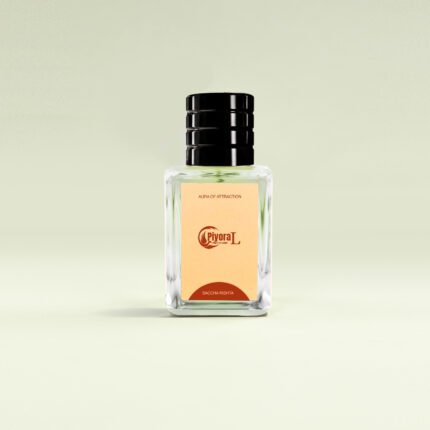
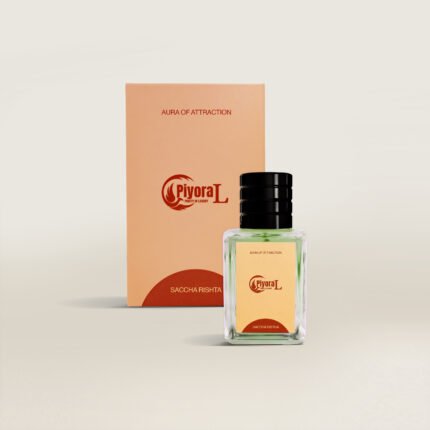
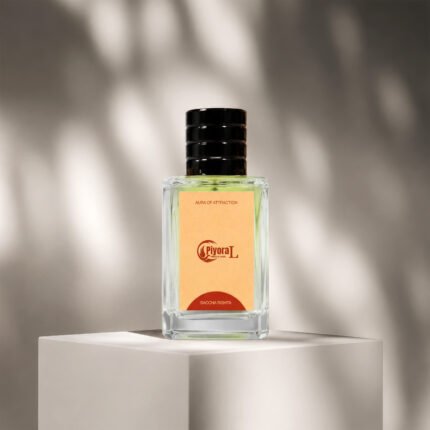
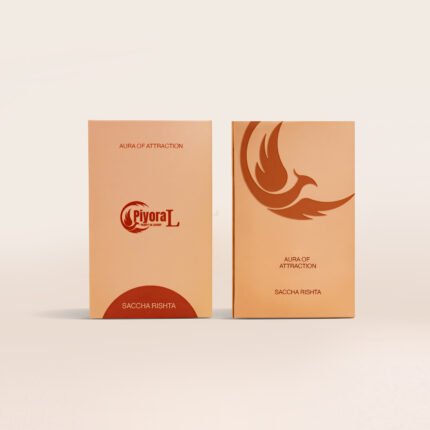
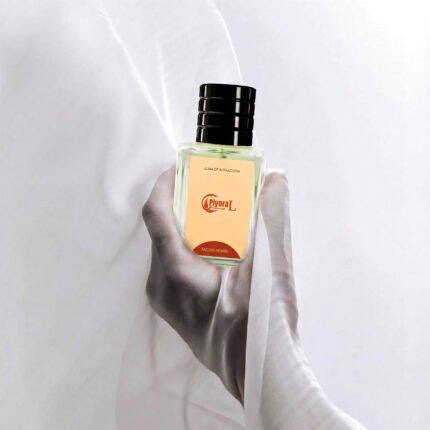
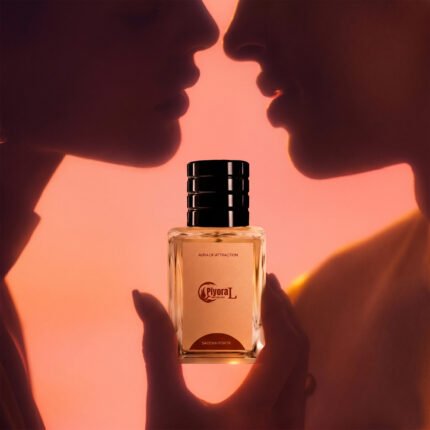
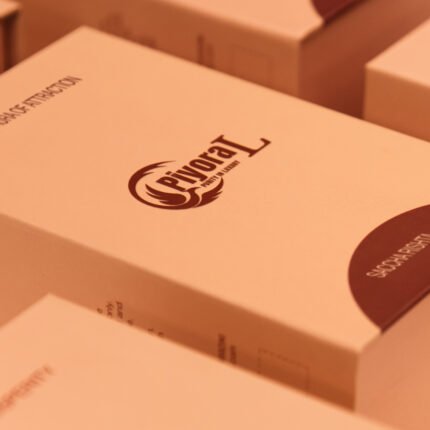
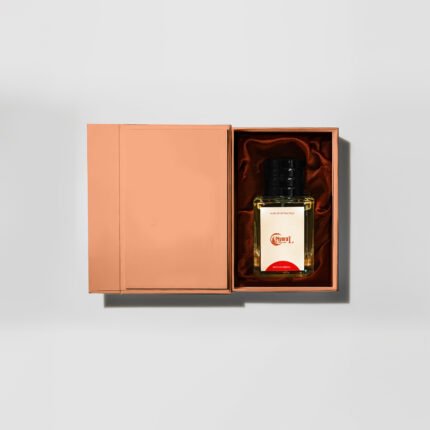
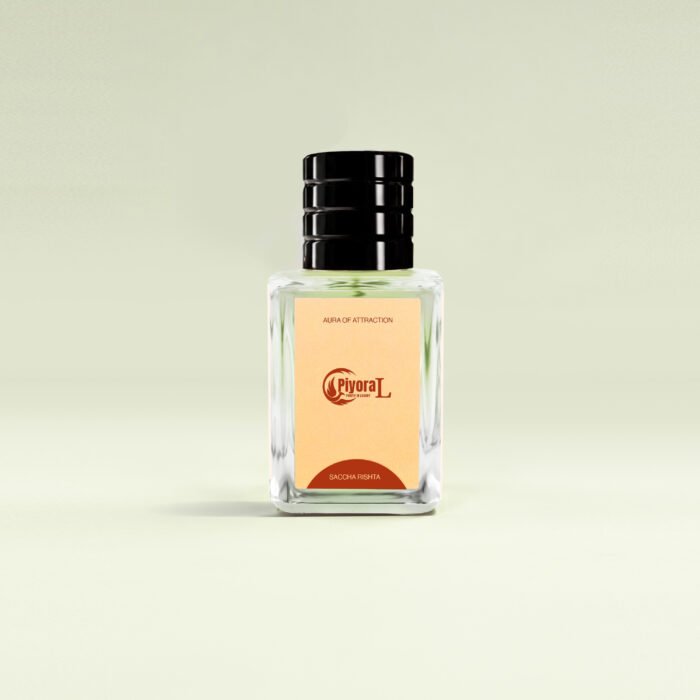
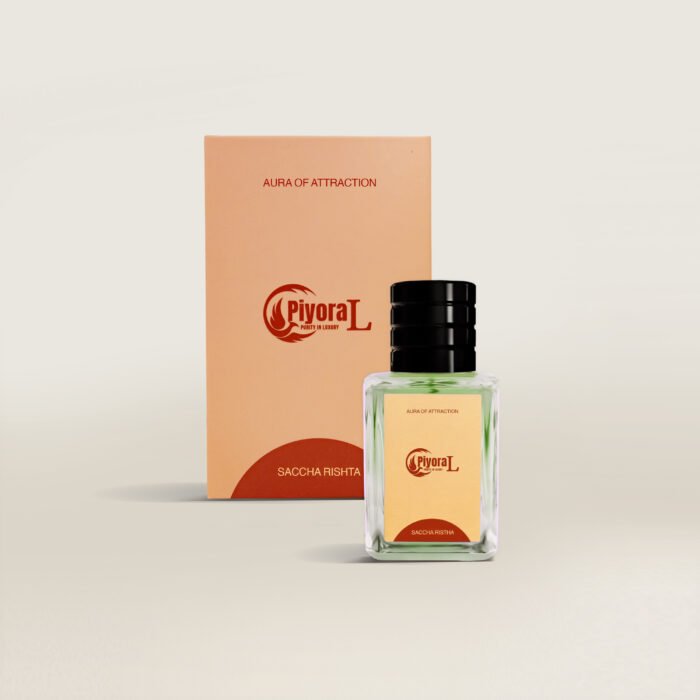
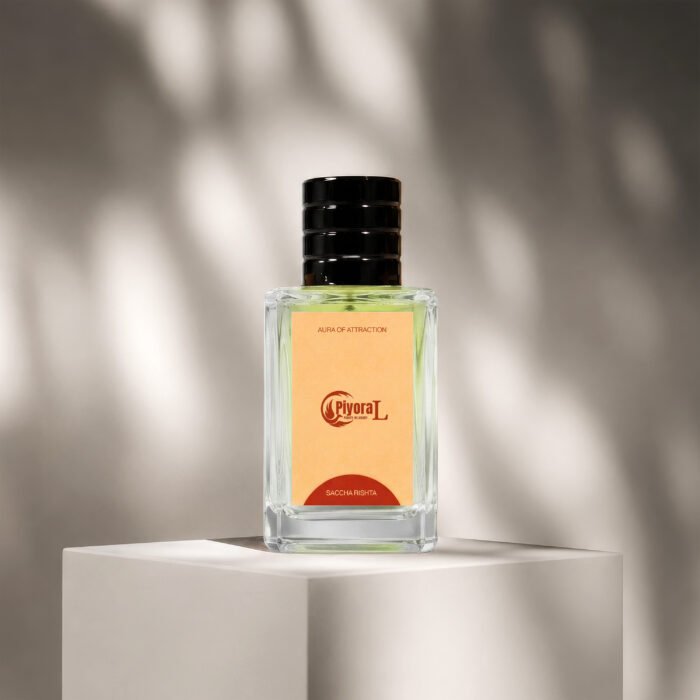
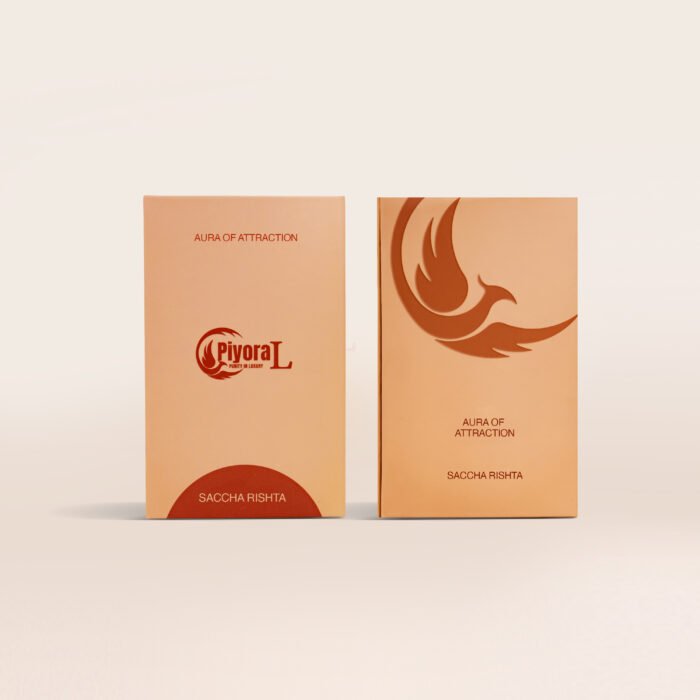
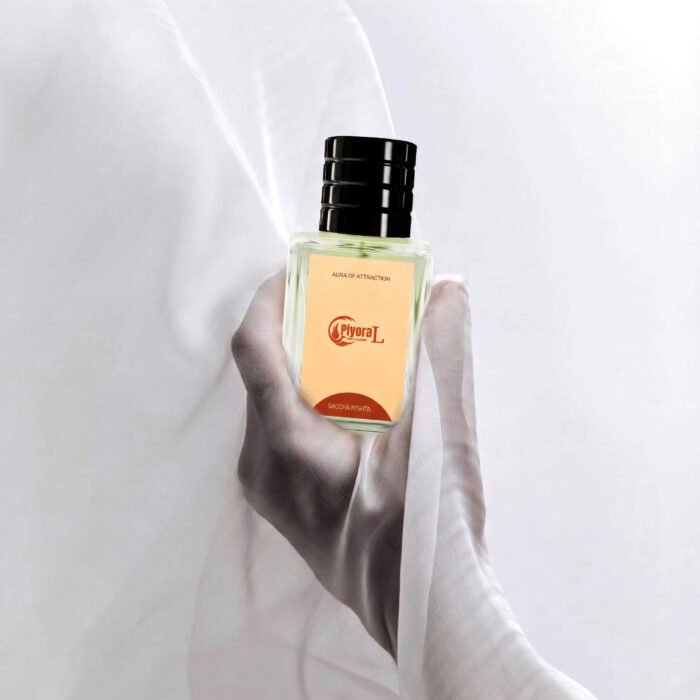
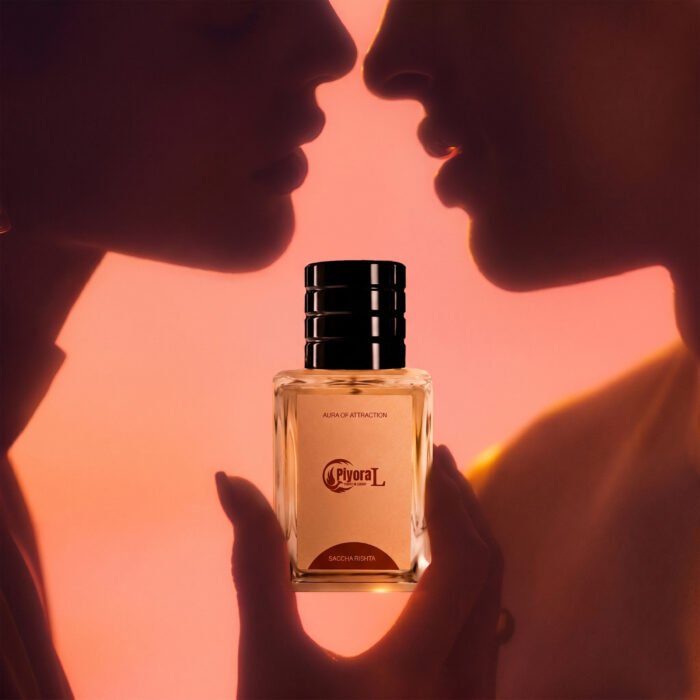
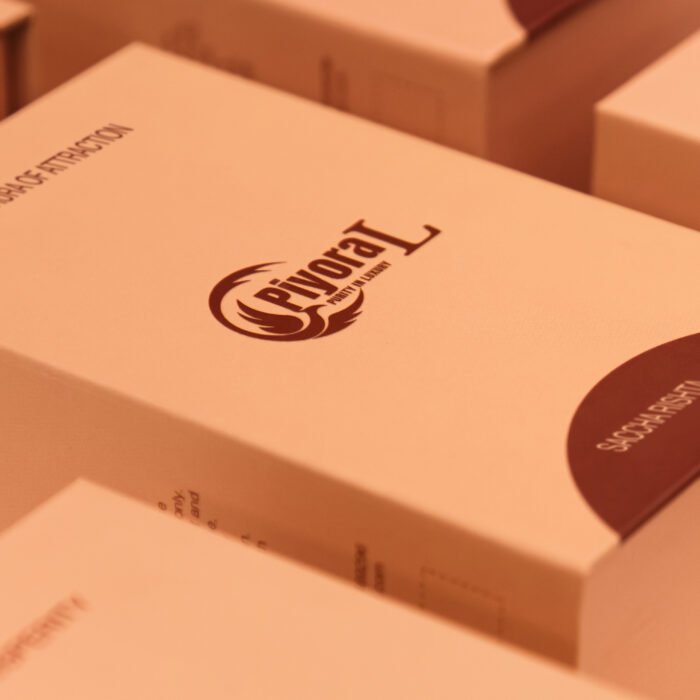
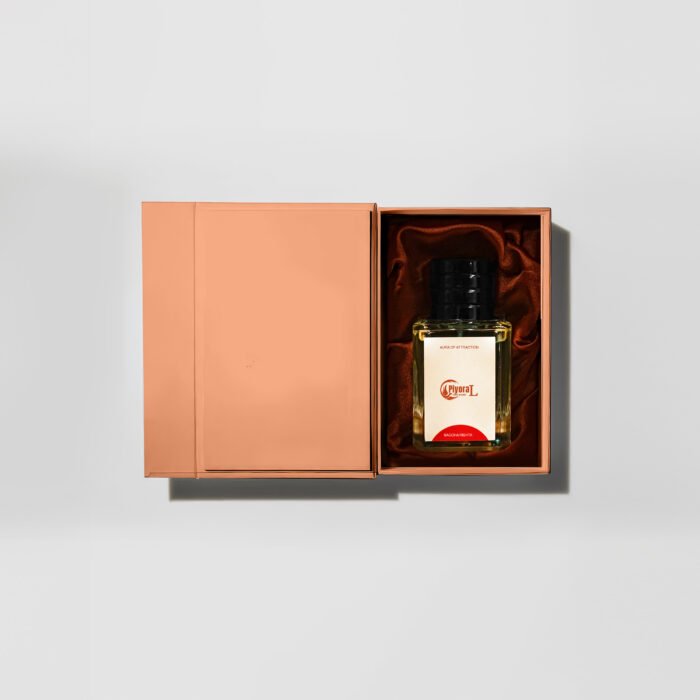
Aura of Attraction (Saccha Rishta | सच्चा रिश्ता) – 50 ML
465 in stock
Emotional Memory — The Longer Game of Scent and Attraction
Beyond the immediate response, scent plays a different and arguably more powerful role in sustained attraction and connection: emotional memory encoding.
The hippocampus — directly connected to the olfactory system — is the brain structure most involved in consolidating emotional memories. Experiences that have strong emotional valence get encoded with their accompanying sensory information, including scent. This is why certain smells transport you instantly back to a specific memory, complete with the emotional tone of that experience.
When someone wears a consistent fragrance, that scent becomes part of how their most intimate interactions are encoded in the memories of the people they’re close to. It becomes associated with the warmth of being in their presence, the comfort of their company, the specific emotional quality of knowing them.
Over time, encountering the scent — even in their absence — triggers the emotional association. This is the olfactory component of missing someone. It’s also why people describe smelling an ex’s perfume as unexpectedly powerful — the fragrance carries the emotional encoding of the entire relationship.
For building attraction and deepening connection, consistency of scent is therefore one of the more powerful things someone can do. A signature fragrance worn in all meaningful interactions creates a growing archive of positive emotional associations that compound over time.
Specific Compounds and Their Documented Effects on Social and Romantic Behaviour
Jasmine — Alertness and Social Ease
Jasmine aromatherapy has been shown to increase beta-wave activity in the brain — the frequency associated with alertness, positive mood, and social engagement. More relevantly, jasmine reduces social anxiety in the wearer. A person who is more socially at ease is more naturally attractive — they make better eye contact, they’re more present in conversation, they create less social friction. Jasmine contributes to this profile not by manufacturing charm but by removing the anxiety that suppresses it.
Rose — Emotional Openness
Rose contains phenylethylamine (PEA) — a compound the brain also produces naturally during states of attraction and excitement. Rose aromatherapy has been shown to reduce defensiveness in social situations and increase ratings of positive emotional states. In interpersonal contexts, reduced defensiveness translates to warmth and approachability — qualities consistently rated as attractive across cultures.
Sandalwood — The Structural Similarity
Sandalwood’s primary compound, alpha-santalol, has a molecular structure similar to androstenol — a human pheromone-like compound associated with attraction. This structural similarity has been proposed as one reason for sandalwood’s ancient and cross-cultural association with romance and sensuality. It doesn’t replicate the pheromone effect, but may interact with similar receptors, producing subtle but real effects on social assessment.
Saccha Rishta — The Design Logic
Piyora L’s Saccha Rishta is formulated around jasmine, rose, and sandalwood — a combination that addresses the attraction mechanism from multiple angles: jasmine for social ease and alertness, rose for emotional warmth and reduced defensiveness, sandalwood for the androstenol-adjacent structural effect and the deep cultural resonance with Indian romantic tradition.
It’s designed to be worn consistently — as a signature scent in meaningful interactions — so that the emotional memory encoding mechanism works over time, not just as a one-off application before a single occasion.
What Fragrance Cannot Do for Attraction
It cannot create attraction where none exists. The pheromone marketing fantasy — that wearing the right scent will make anyone irresistible to everyone — is not supported by the science. What fragrance does is operate within an existing attraction landscape: it can enhance natural chemistry, reduce social anxiety that suppresses natural appeal, and build emotional associations that deepen connection over time.
That’s not nothing. In fact, those three things are considerable. But they work with your actual nature and the actual chemistry between specific people — not as an override.
Frequently Asked Questions
The olfactory system connects directly to the amygdala and hippocampus — bypassing the thalamus that all other senses pass through — making scent the fastest sensory input to reach the brain’s emotional and memory centres. This means scent influences the initial pre-conscious attraction response before any rational evaluation occurs. Specific compounds (jasmine’s beta-wave activation, rose’s PEA, sandalwood’s androstenol-similar structure) have documented effects on social ease, emotional openness, and attraction-adjacent neurochemistry. Consistent use also builds emotional memory associations that compound attraction over time.
Human pheromone communication exists but is less developed than in other mammals, and its role is contested. More relevant is the documented effect of natural body odour on attraction — specifically, research showing people tend to find genetically dissimilar partners (MHC incompatibility) more attractive at the olfactory level. Sandalwood’s alpha-santalol has structural similarity to androstenol, a human pheromone-like compound, which may produce subtle attraction-relevant effects. The strongest fragrance effects on attraction are through emotional memory encoding and social ease compounds like jasmine, not through pheromone replication.
The hippocampus — directly connected to the olfactory system — consolidates emotional memories with their accompanying sensory information, including scent. Experiences with high emotional valence become encoded with the scent present during them. A person who wears a consistent fragrance in meaningful interactions has that scent woven into the emotional encoding of those interactions. Over time, the fragrance becomes an olfactory signature — encountering it triggers the emotional association of the person and the quality of being with them. This is why consistency of fragrance deepens connection more than variety.
The most documented attraction-supporting ingredients are jasmine (increases social ease and positive mood through beta-wave activation), rose (reduces defensiveness and increases emotional warmth through phenylethylamine and geraniol), and sandalwood (provides grounded presence and may interact with attraction-adjacent receptors through alpha-santalol’s structural similarity to androstenol). Beyond specific compounds, a fragrance that complements rather than masks your natural chemistry is important — the body’s own scent carries biological information about compatibility that heavy fragrances can obscure.
Yes — consistency is more important than variety for attraction and connection. A signature scent worn consistently in meaningful interactions builds an emotional memory archive: the people you’re close to encode your fragrance with the positive emotional quality of being with you. Over time, encountering the scent triggers the association. This deepens recognition and emotional resonance in ways that switching fragrances cannot. For first impressions and social occasions, a distinctive and appropriate fragrance matters. For sustained connection and deepening attraction, consistency of that fragrance over time matters more.
Saccha Rishta — meaning ‘true relationship’ in Hindi — is a purpose-built attraction and connection fragrance by Piyora L. Formulated with jasmine, rose, and sandalwood — each chosen for their documented effects on social ease, emotional warmth, and attraction-adjacent neurochemistry. Jasmine reduces social anxiety and increases alertness; rose supports emotional openness and warmth; sandalwood contributes grounded presence and has structural similarity to human attraction-associated compounds. Designed to be worn as a consistent signature scent in meaningful interactions, building the emotional memory associations that compound connection over time.
-
Aura of Attraction (Saccha Rishta | सच्चा रिश्ता) – 50 ML
Original price was: ₹1,699.00.₹1,099.00Current price is: ₹1,099.00. -
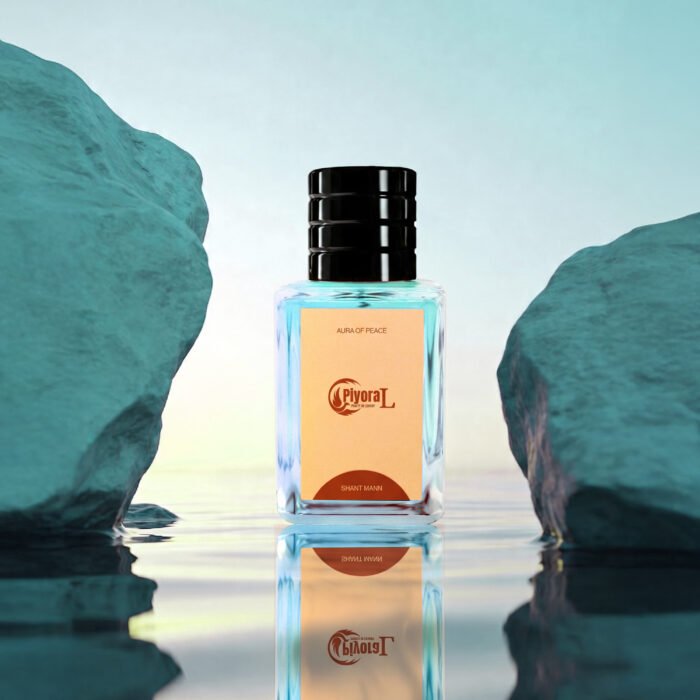
Aura of Peace (Anger Control | शांत मन) – 50 ML
Original price was: ₹1,699.00.₹1,099.00Current price is: ₹1,099.00. -
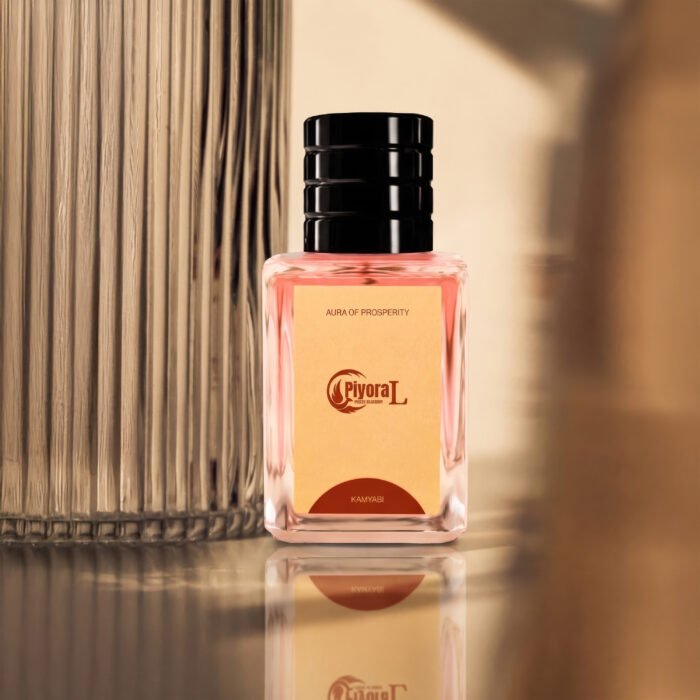
Aura of Prosperity (Kamyabi) – 50 ML
Original price was: ₹1,699.00.₹1,099.00Current price is: ₹1,099.00.