
Blog
Perfume for Confidence India — The Complete Guide to Fragrance, Mindset & Success

There’s a moment most people recognise. You’re about to walk into something that matters — an interview, a presentation, a difficult conversation, a first meeting with someone important. And you either feel ready, or you don’t.
The difference between those two states isn’t always about preparation. Sometimes it’s entirely about physiology — about whether your nervous system is in a state of readiness or a state of anxiety. And here’s something most people don’t know: your nervous system can be primed.
Scent is one of the fastest and most effective priming tools available. Not because it’s magic, but because of where it goes in the brain and how quickly it gets there. This guide covers the full picture: why fragrance affects confidence neurologically, which ingredients matter and why, how to build a pre-performance ritual, and what the Indian wellness tradition has always known about scent and mental states.
The Neuroscience of Scent and Confidence
Confidence isn’t just a feeling — it’s a physiological state. Specific hormone levels, nervous system activity, and brain circuit engagement all determine whether you walk into a room feeling settled or on edge.
Testosterone and cortisol are the primary hormonal drivers. Higher testosterone relative to cortisol correlates with confidence, decisive thinking, and comfort with social evaluation. When cortisol is elevated and testosterone is relatively suppressed, the experience is anxiety, self-doubt, and heightened sensitivity to perceived judgment.
This is where scent enters the picture. The olfactory system is the only sense with a direct, unmediated connection to the limbic system — the brain structures that regulate emotion, motivation, arousal, and memory. Every other sense travels through the thalamus first. Smell doesn’t. This means a fragrance reaches the brain’s confidence and anxiety centres faster than a thought.
Certain scent compounds have documented effects on these systems. Linalool (found in bergamot and lavender) reduces cortisol. Certain woody and earthy compounds — including those in patchouli and sandalwood — activate the parasympathetic nervous system, which is associated with calm, groundedness, and readiness. Citrus compounds, particularly from bergamot, have been shown to improve positive affect and reduce negative mood states in clinical settings.
Used consistently before situations that require confidence, these compounds create two effects: a direct neurochemical one (reduced cortisol, improved mood state) and a conditioned one (the brain learns to associate the scent with a prepared, ready state, and begins to trigger that state automatically when the scent is detected). Both compound over time. The ritual becomes the confidence itself.
Confidence vs Performance Anxiety — Understanding the Difference
Before discussing how fragrance can support confidence, it’s worth distinguishing between two things that feel similar but have different roots.
Performance anxiety is a specific state — it happens in anticipation of evaluation, and it activates the threat response. Heart rate increases, thinking narrows, memory access becomes unreliable. This is not about confidence levels in general; even highly confident people experience performance anxiety in high-stakes situations.
Baseline confidence is different — it’s the general sense of capability and self-worth that underlies how you approach situations day to day. Low baseline confidence amplifies performance anxiety. Higher baseline confidence doesn’t eliminate it but makes it more manageable.
Fragrance works on both, but differently. As a pre-performance tool, it works primarily on performance anxiety — reducing the cortisol spike, providing a familiar sensory anchor, activating the conditioned ready-state. As a daily ritual, it contributes to baseline confidence by maintaining lower cortisol levels and reinforcing the internal narrative of readiness through consistent use.
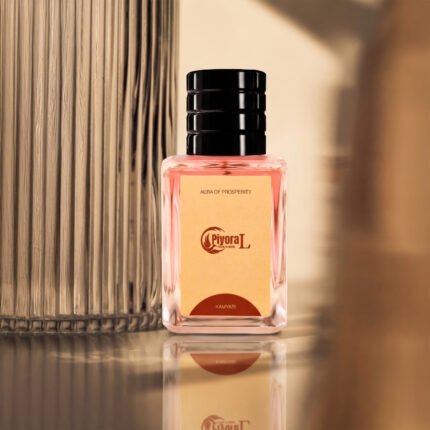
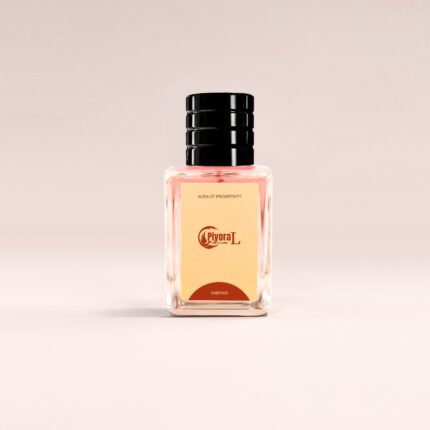
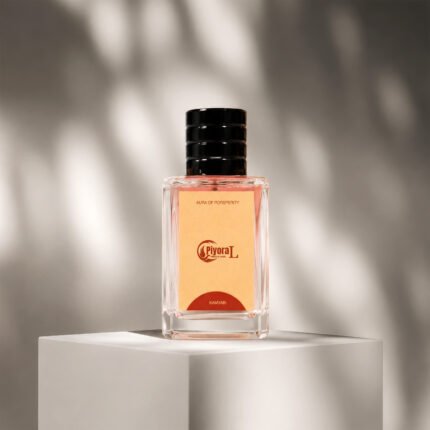
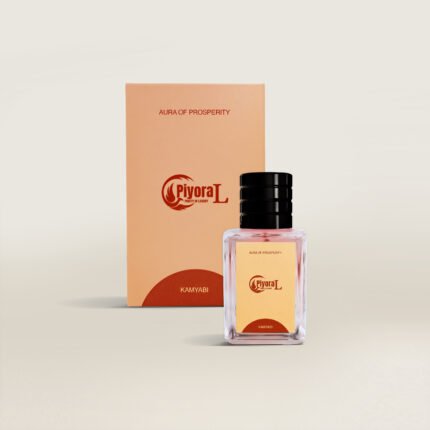
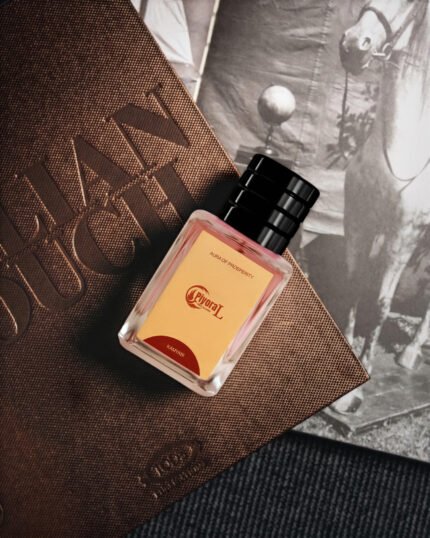
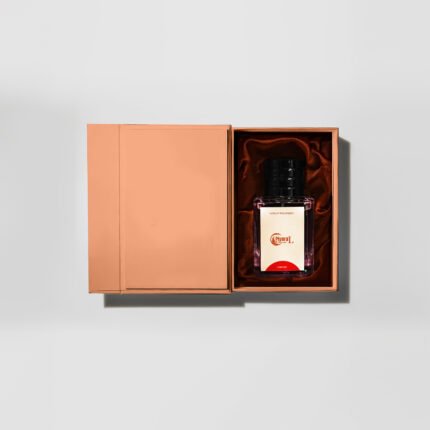
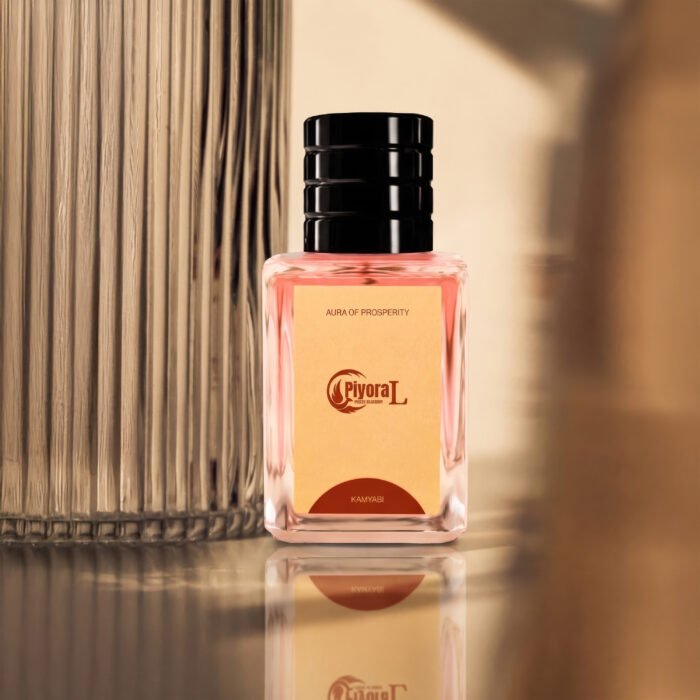
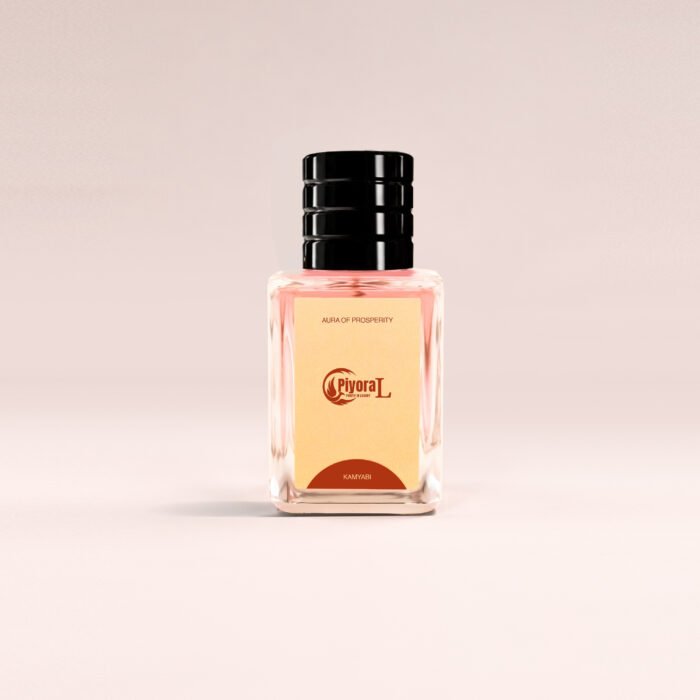
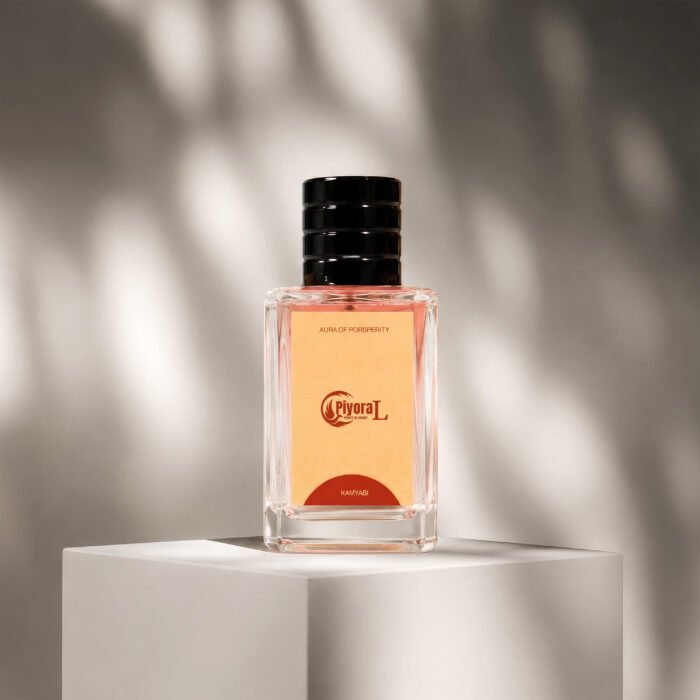
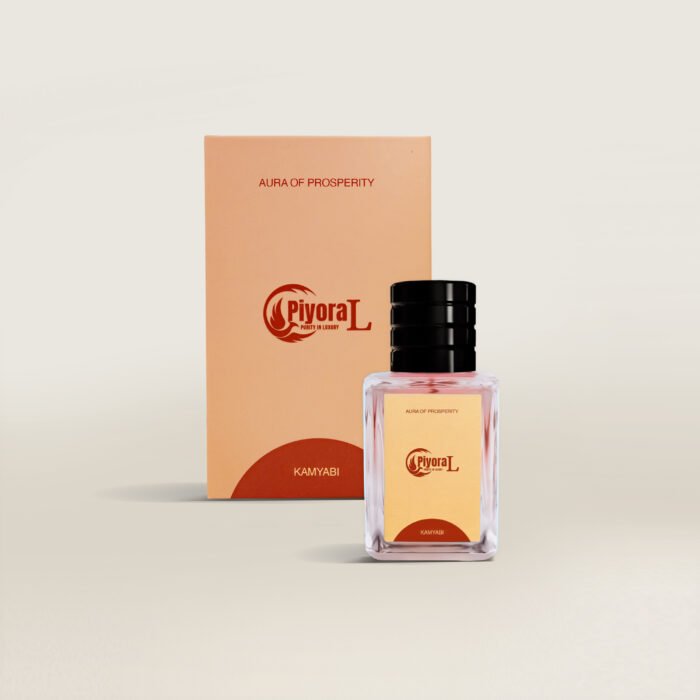
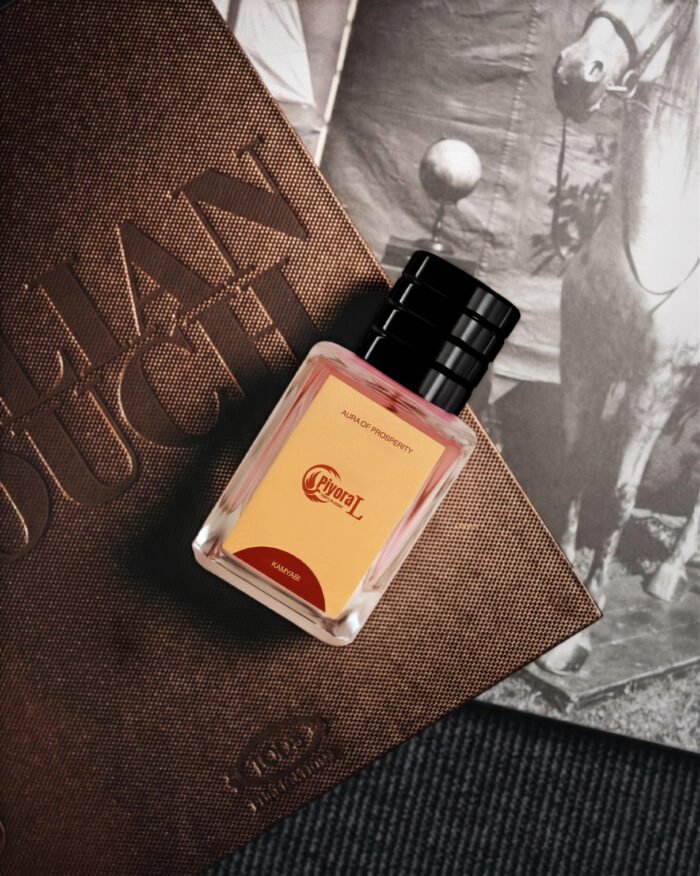
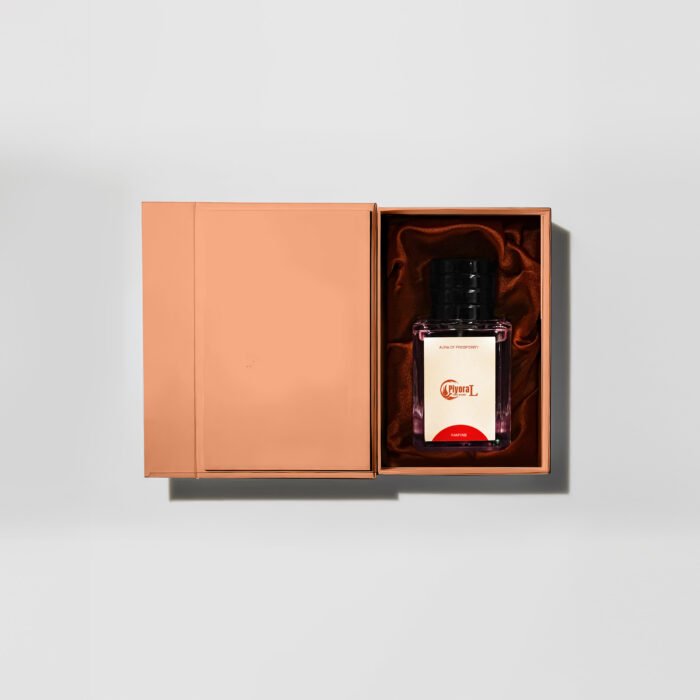
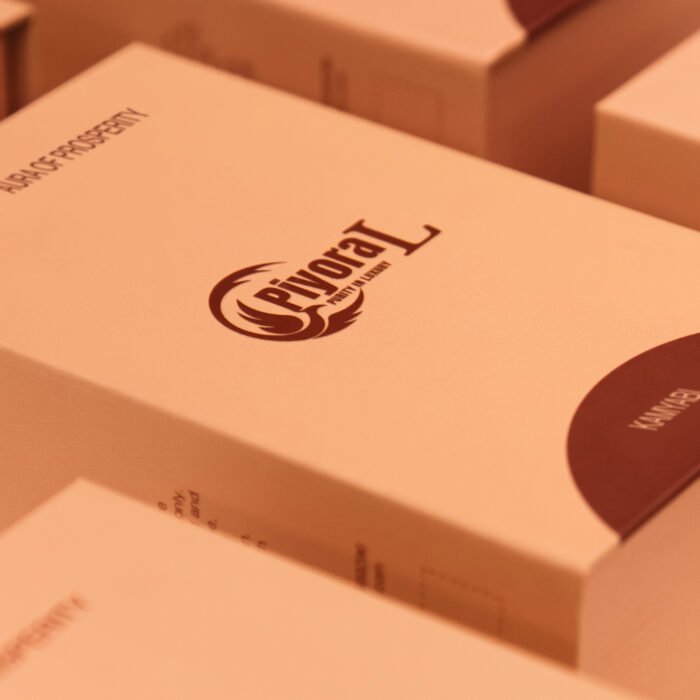
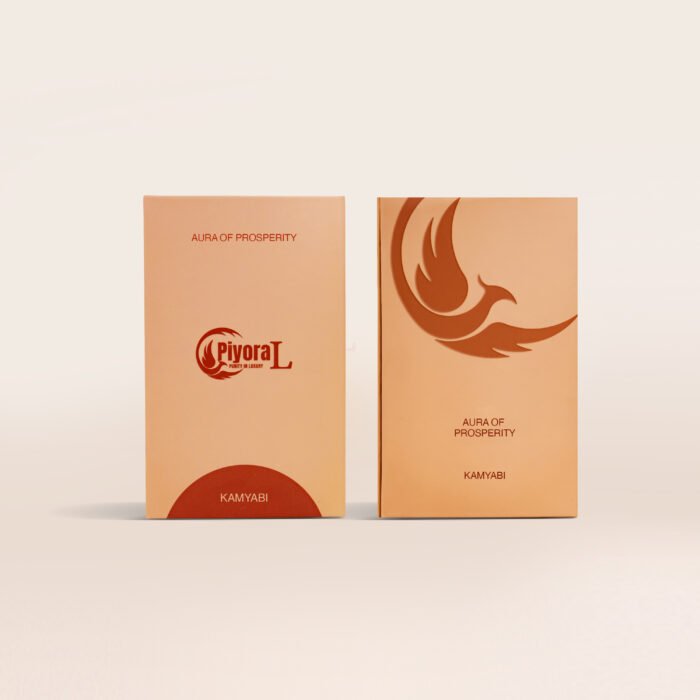
Aura of Prosperity (Kamyabi) – 50 ML
This is a healing-inspired product designed to help support relaxation and energetic alignment.
456 in stock
Key Ingredients for Confidence — What the Research Shows
Bergamot — Fast-Acting Cortisol Reduction
Bergamot is perhaps the best-studied fragrance ingredient for anxiety and confidence. Its primary compounds — linalool and linalyl acetate — have documented anxiolytic effects, including measurable reductions in salivary cortisol. In clinical studies, participants who inhaled bergamot before stressful tasks showed improved mood and lower physiological stress responses compared to controls.
For confidence, bergamot’s primary value is cortisol reduction. Lower cortisol before a high-stakes situation means a higher threshold for anxiety, better cognitive function under pressure, and faster recovery if something goes wrong. It doesn’t manufacture confidence — it removes a primary inhibitor of it.
Patchouli — Grounding and Presence
Patchouli has a complex reputation — its distinctive earthy, woody scent is polarising in perfumery. But its psychological effects are well-documented in aromatherapy research: patchouli promotes grounding, reduces restlessness, and supports a sense of physical presence and rootedness.
For confidence specifically, patchouli’s value is in what it reduces: the scattered, anxious, high-alert state that makes it difficult to project presence. Groundedness is a component of confidence that’s often overlooked — the sense of being settled in yourself rather than reactive to your environment. Patchouli supports this state through its activating effect on the parasympathetic nervous system.
In Indian wellness traditions, patchouli is associated with abundance, prosperity, and grounded success — which aligns with the psychological state it produces.
Sandalwood — Calm Authority
Sandalwood’s primary compound, alpha-santalol, reduces physiological arousal — heart rate, cortisol, neurological excitability. For confidence in high-stakes situations, this is valuable: a calm nervous system performs better cognitively, communicates more clearly, and recovers more quickly from setbacks during a performance or conversation.
Sandalwood also has deep cultural associations in India with wisdom, clarity, and spiritual authority — qualities that align psychologically with the confident, centred state that supports strong performance.
Building a Pre-Performance Fragrance Ritual
Understanding the science is useful. Using it practically is what matters. Here’s how to build a fragrance ritual specifically for confidence and high-stakes performance:
The Daily Foundation
Daily use is more important than one-off pre-performance application. The conditioned association — where your brain begins to associate the scent with readiness — only builds through consistent, repeated exposure. Apply your confidence fragrance every morning as part of a deliberate getting-ready ritual, not just before big moments.
This daily practice lowers your baseline cortisol, which means your starting point before any high-stakes situation is already lower anxiety. The big moment becomes incrementally less daunting because the fragrance has already been priming your system for weeks.
The Pre-Performance Application
20–30 minutes before you need to be at your best: apply the fragrance, take 5 slow deliberate breaths while you do, and spend 2 minutes mentally reviewing what you’re about to do from a place of preparation rather than fear. This is the ritual that creates the conditioned response — the scent, the breath, the intentional focus.
Over time, this becomes: scent → ready. The first two steps trigger the third automatically.
In-the-Moment Use
If anxiety spikes during a performance — in the middle of a presentation, at a difficult point in a conversation — a moment of deliberate inhalation from your wrists, combined with a single extended exhale breath (4 counts in, 8 out), can interrupt the cortisol spike and buy the cognitive space needed to continue effectively.
Confidence and Fragrance in the Indian Context
India has a sophisticated relationship with scent that often gets overlooked in discussions of modern wellness. Attar — concentrated natural fragrance oil — has been used in the subcontinent for centuries not just for its smell but for its effects on mental and emotional states. Sandalwood paste, camphor, and specific florals have been used in ritual contexts for their documented ability to alter mood and mental states.
The modern concept of using fragrance for confidence and performance is not a western import. It’s a contemporary application of a principle that Indian wellness traditions have practised for a very long time — that scent is a tool for influencing internal states, not merely an aesthetic pleasure.
For the Indian professional and achiever, a confidence fragrance that draws on this tradition — using ingredients like sandalwood and patchouli alongside modern understanding of how they work neurologically — is both culturally resonant and scientifically grounded.
What to Look for in a Confidence Perfume
Not every fragrance marketed as ‘confidence-boosting’ is formulated to actually produce that effect. Here’s what to look for:
- Bergamot as a primary note — for cortisol reduction and positive mood effect
- Patchouli or sandalwood in the base — for groundedness and calm authority
- Avoiding overly sharp, stimulating top notes without calming mid and base notes — citrus without grounding can increase alertness without calm, which is not the same as confidence
- Genuine essential oil content for the active compounds — synthetic patchouli and sandalwood may replicate the smell but often lack the active compounds responsible for the psychological effects
- A formulation designed for all-day wear — confidence support needs to sustain through a full working day, not just the first hour
Piyora L’s Kamyabi is built around this brief. Crafted with grounding woody notes, patchouli, and bergamot, with a warm, settled base designed to carry through a full day — it’s formulated as a daily ritual fragrance for professionals and achievers who want their fragrance to do more than smell good.
Go Deeper — Specific Topics in Confidence and Fragrance
This guide covers the foundation. If you want to explore specific aspects further:
- The science of how scent affects confidence — detailed research → [link to scent confidence science blog]
- Manifestation and fragrance — the intention-setting approach → [link to manifestation blog]
- The best fragrance for job interviews specifically → [link to interview blog]
- Patchouli deep dive — grounding, abundance, and the science → [link to patchouli blog]
- Confidence perfume vs affirmations — which works better? → [link to comparison blog]
The Bottom Line
Fragrance cannot give you skills you don’t have or compensate for inadequate preparation. What it can do is remove a primary inhibitor of confidence — elevated cortisol — and provide a fast-acting sensory anchor that primes your nervous system for readiness.
Used consistently, a well-formulated confidence fragrance becomes part of how you prepare for anything that matters. The ritual is the signal. The signal becomes the state. The state becomes the performance.
In a country where the relationship between scent and mental states is ancient and deeply understood, using fragrance this way isn’t unusual. It’s returning to something that was always known.
-
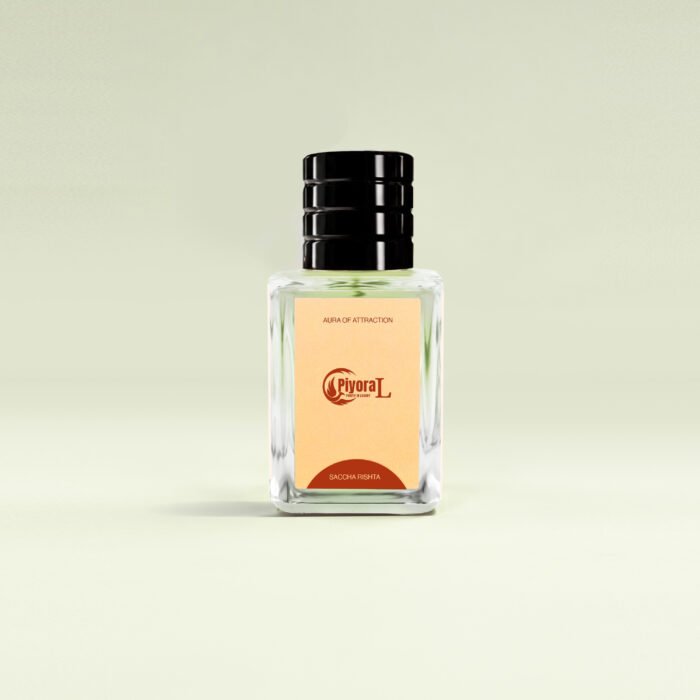
Aura of Attraction (Saccha Rishta | सच्चा रिश्ता) – 50 ML
Original price was: ₹1,699.00.₹1,099.00Current price is: ₹1,099.00. -
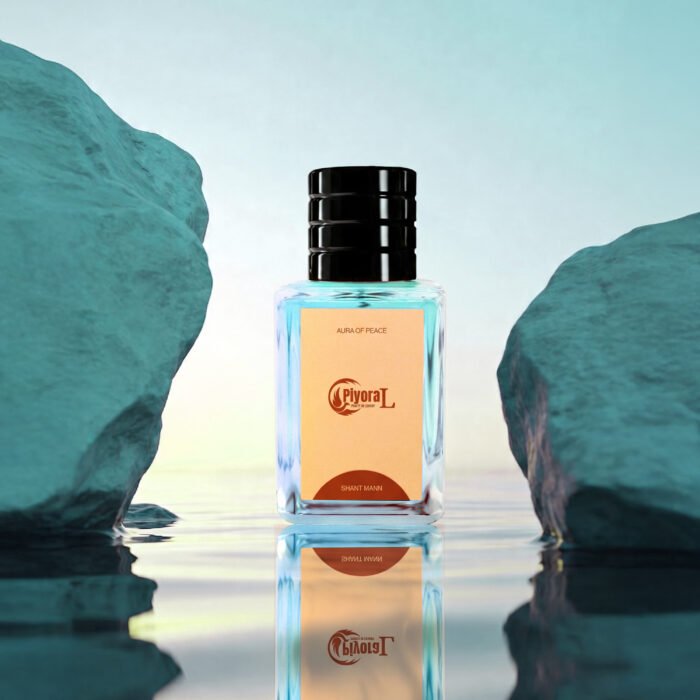
Aura of Peace (Anger Control | शांत मन) – 50 ML
Original price was: ₹1,699.00.₹1,099.00Current price is: ₹1,099.00. -
Aura of Prosperity (Kamyabi) – 50 ML
Original price was: ₹1,699.00.₹1,099.00Current price is: ₹1,099.00.
Frequently Asked Questions
Yes — through a documented neurological mechanism. Scent connects directly to the limbic system (the brain’s emotion and motivation centre) faster than any other sensory input. Certain compounds — particularly linalool in bergamot and the active components of patchouli and sandalwood — reduce cortisol (the stress hormone that inhibits confidence), improve positive mood state, and through consistent use build a conditioned association where the scent begins to trigger a prepared, ready state automatically. The effect builds over weeks of consistent use and is most powerful when fragrance is used as part of a deliberate pre-performance ritual.
The most evidence-backed fragrance ingredients for confidence are bergamot (reduces cortisol and anxiety, improves positive mood), patchouli (grounding, reduces restlessness, supports presence), and sandalwood (calms physiological arousal while maintaining alertness). Together, these form the basis of an effective confidence fragrance. Look for products that use genuine essential oil content rather than purely synthetic versions — the active compounds responsible for psychological effects need to be present in meaningful concentrations for the mechanism to work.
The olfactory system connects directly to the amygdala and hippocampus without passing through the thalamus, making scent faster at reaching the brain’s emotional centres than sight, sound, or touch. Calming compounds like linalool reduce cortisol and neural excitability, while grounding compounds in patchouli and sandalwood activate the parasympathetic nervous system — the one associated with calm and readiness. Consistent use builds a conditioned association, where the brain begins to associate the scent with the prepared state in which it was consistently worn, triggering that state automatically on detection of the scent.
Apply 20–30 minutes before, not right as you’re walking in. Use your wrists, neck, and pulse points. While applying, take 5 slow deliberate breaths — this creates the ritual that builds the conditioned association over time. Do this consistently before any high-stakes moment, not just occasionally. The fragrance works best when it’s already familiar to your nervous system — when your brain has learned to associate it with a prepared, confident state through repeated use. Daily wear builds this association faster than occasional use.
Yes. Studies on bergamot aromatherapy show measurable reductions in salivary cortisol and improvements in positive mood state. Research on sandalwood demonstrates reduced physiological arousal without sedation. Patchouli research shows reduced anxiety and increased sense of groundedness. The conditioned association mechanism — where consistent pairing of a scent with a specific state causes the scent to trigger that state — is well-established in olfactory psychology. The practical application of this to confidence and performance is supported by both the ingredient research and the conditioning research.
Kamyabi — meaning ‘success’ in Hindi — is a purpose-built confidence and prosperity fragrance by Piyora L, an Indian D2C wellness perfume brand. Formulated with bergamot, patchouli, and sandalwood as primary notes — chosen for their documented effects on cortisol reduction, grounding, and calm authority — it is designed to be worn daily as a confidence-building ritual and used before high-stakes performance situations as a sensory primer. It functions as a tool for achievers and professionals, not merely as a conventional fragrance.