Blog
Perfume for Attraction India — The Complete Guide to Fragrance, Intimacy & Connection

Of all the things that make a person attractive, scent is among the most powerful and the least consciously understood.
People describe meeting someone compelling and not being able to articulate exactly why. The conversation was fine. The appearance was unremarkable. But there was something — a pull they couldn’t name. Often, that something is scent. Specific fragrance compounds interact with deeply wired neurological systems for social bonding, mate selection, and emotional memory in ways that operate largely below conscious awareness.
This isn’t mysticism. It’s biology — and increasingly, it’s chemistry and neuroscience. This guide covers what we actually know about scent and attraction, which ingredients have the most documented effects, how cultural context shapes India’s relationship with fragrance and romance, and how to build a fragrance ritual that supports genuine intimacy.
The Biology of Scent and Attraction
Human attraction is processed through multiple systems simultaneously. Visual assessment, social evaluation, verbal interaction — these are the obvious ones. What’s less obvious is the olfactory layer, which operates continuously but largely without conscious attention.
The vomeronasal organ (VNO), found in the nasal cavity, detects chemical signals including pheromones — compounds that carry biological information about genetic compatibility, health, and reproductive status. While human pheromone communication is less developed than in other mammals, research suggests it still operates. Studies famously showing that people find the smell of genetically dissimilar partners more attractive (the ‘sweaty T-shirt’ experiments) indicate that olfactory signals influence mate assessment in ways that bypass rational evaluation.
Beyond pheromones, the main olfactory system processes fragrance through the limbic system — the same brain structures that govern emotion, memory, and social bonding. The amygdala and hippocampus respond to scent faster and more directly than to other sensory inputs. This is why a particular smell can produce almost instant emotional responses — why one scent can make someone feel immediately comfortable or immediately unsettled — and why fragrance has such a powerful role in emotional memory and association.
When someone wears a distinctive fragrance consistently, that scent becomes emotionally encoded in the memories of the people they’re close to. The fragrance itself becomes part of the emotional experience of being with that person. Over time, encountering the scent triggers the emotional association — which is why smelling an ex’s perfume years later can produce an immediate, involuntary emotional response.
For attraction and connection, this is significant. A fragrance that creates positive emotional associations — that reduces anxiety, promotes warmth, and triggers positive memories — contributes directly to how others experience being around you.
What Makes a Fragrance Attractive? The Science of Appealing Scents
Not all fragrance creates attraction. The compounds that tend to produce positive responses in others — and in yourself, which matters for projection of confidence and ease — share certain qualities.
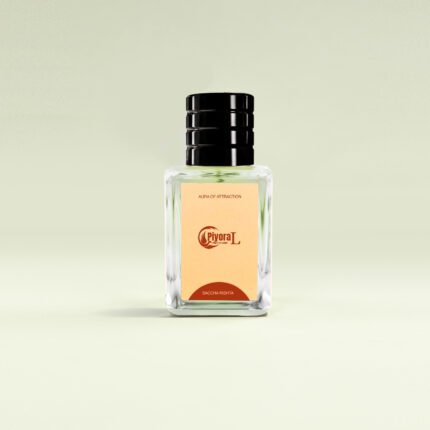
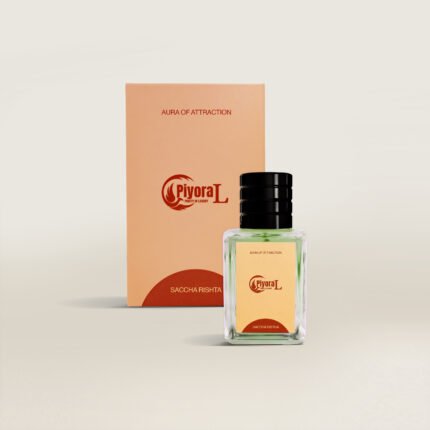
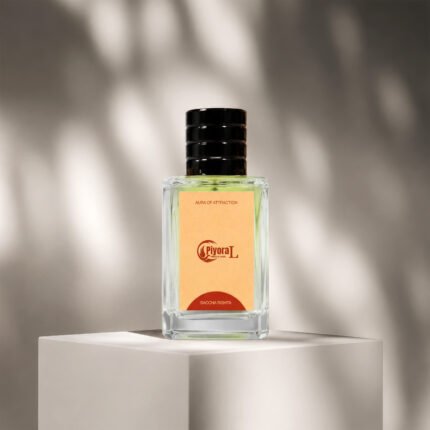
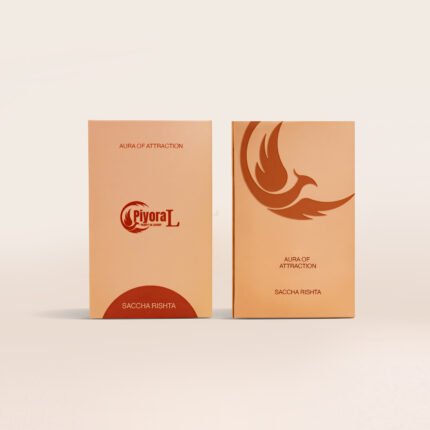
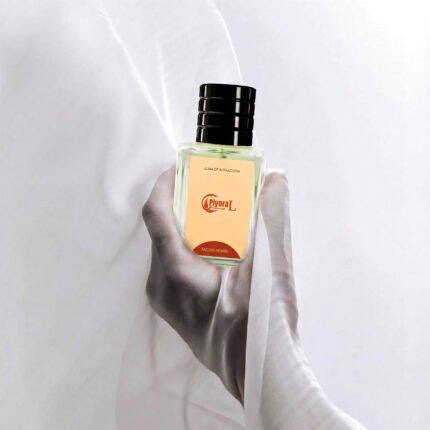
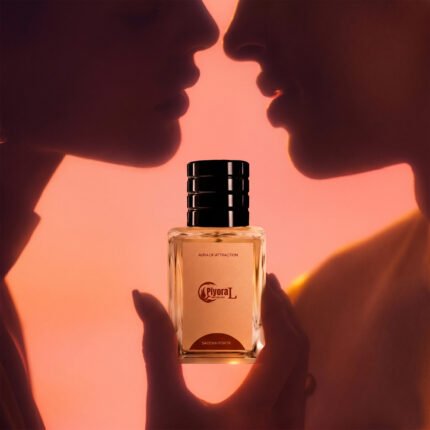
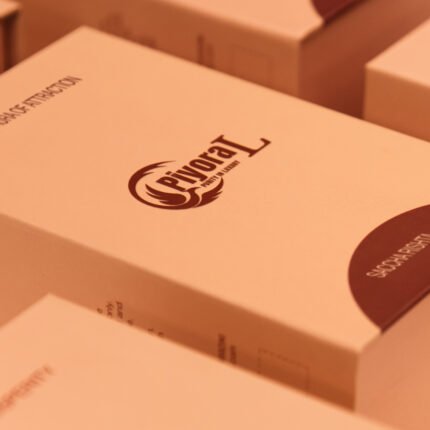
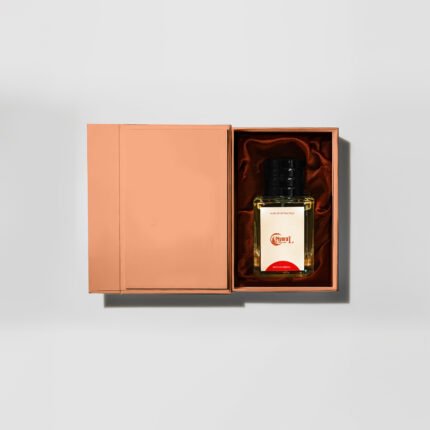
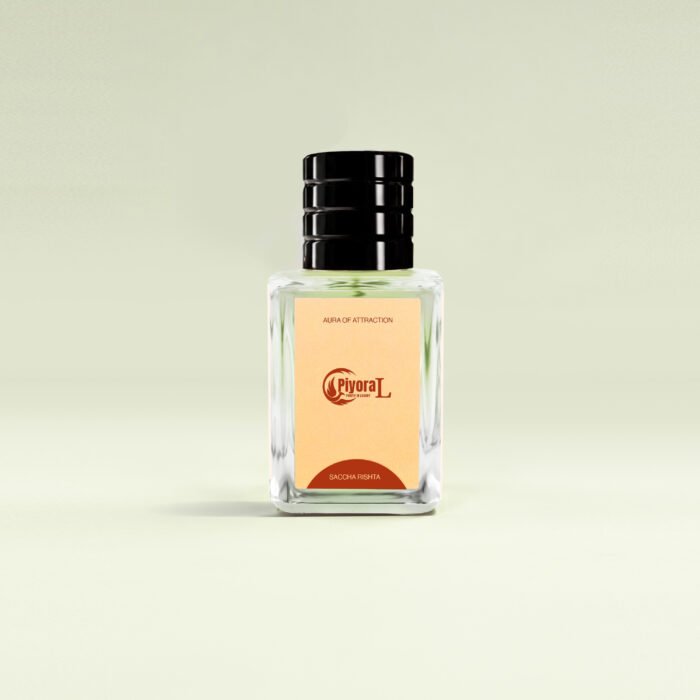
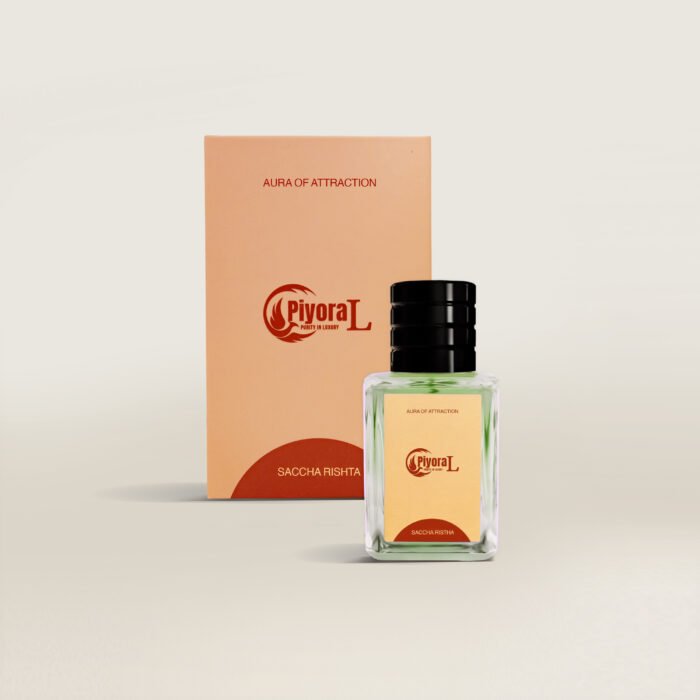
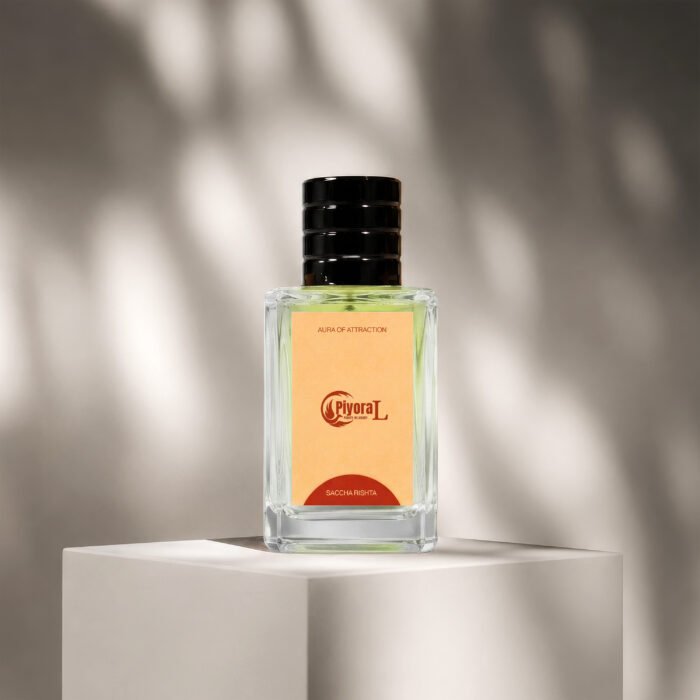
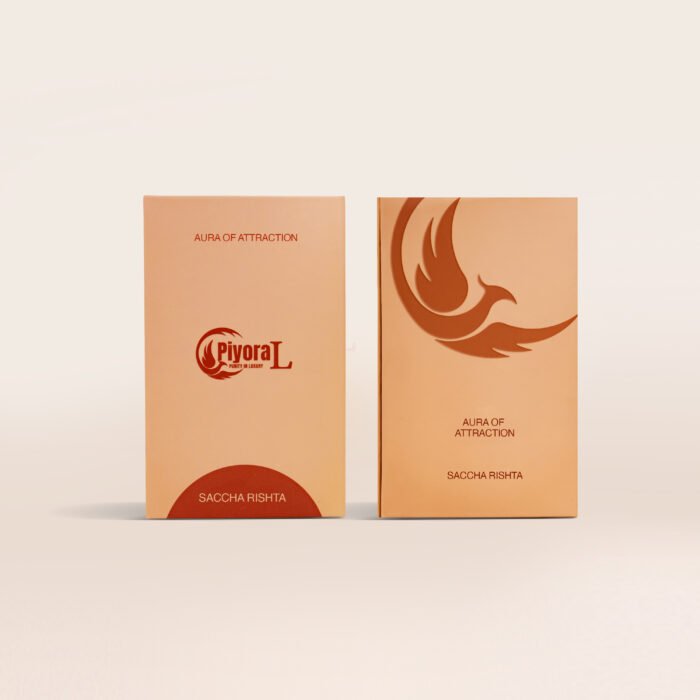
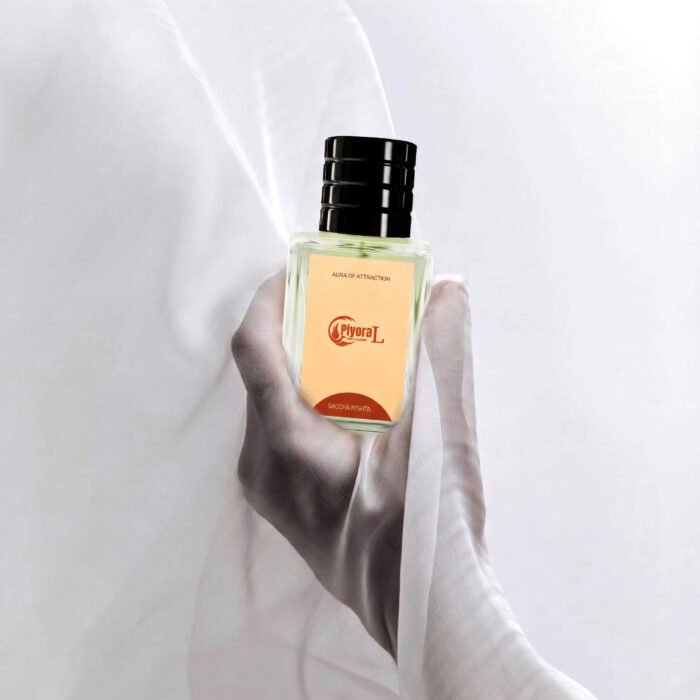
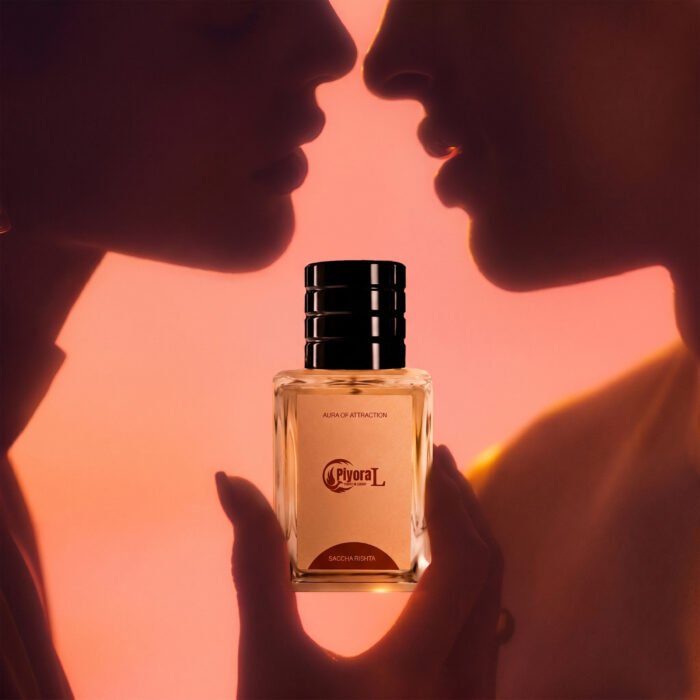
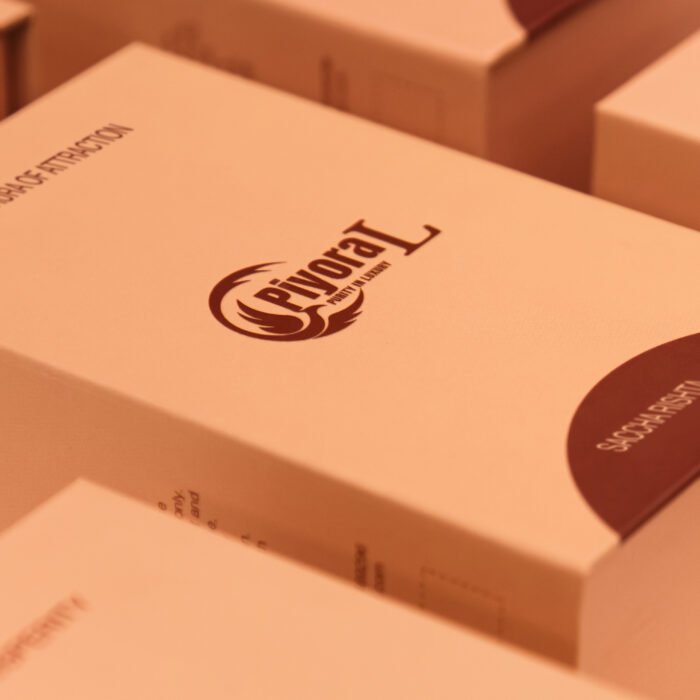
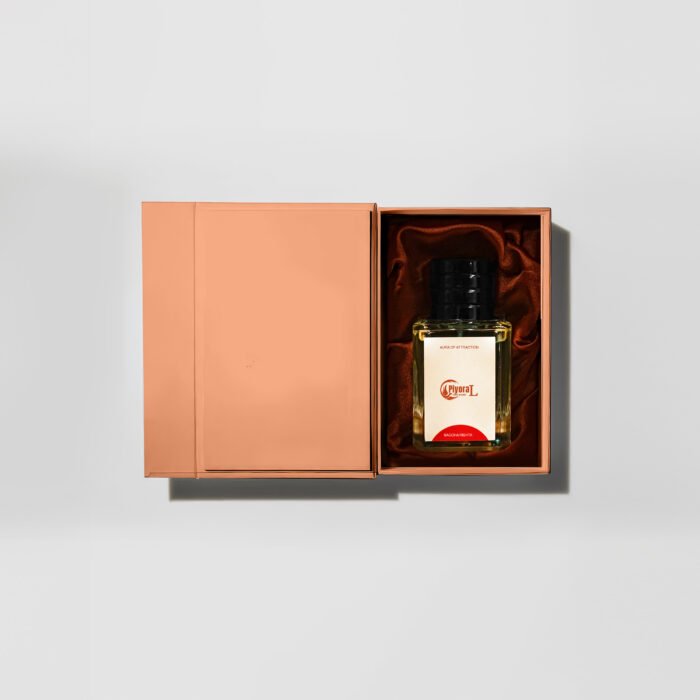
Aura of Attraction (Saccha Rishta | सच्चा रिश्ता) – 50 ML
465 in stock
Jasmine — The Social Bonding Compound
Jasmine is one of the most studied florals for its effects on mood and social behaviour. Its primary aromatic compounds include benzyl acetate and linalool, and research shows that jasmine aromatherapy increases beta waves in the brain — associated with alertness and positive mood — and reduces anxiety scores significantly.
For attraction specifically, jasmine’s value is dual. First, it reduces the wearer’s social anxiety, making them more relaxed and natural in social situations — which reads as confidence and ease to others. Second, it creates a warm, positive emotional atmosphere, associated in multiple cultures with romance, celebration, and intimate connection. In India, jasmine (chameli) is deeply embedded in the cultural language of romance — used in wedding garlands, worn as hair ornaments by brides, present in classic attars associated with love.
Rose — Emotional Warmth and Openness
Rose is perhaps the most universally recognised fragrance for romance — and there’s genuine chemistry behind the cultural association. Rose contains phenylethylamine (PEA), a compound also produced naturally in the brain and associated with the early stages of attraction and romantic feeling. It also contains geraniol and citronellol, which have mild mood-lifting and anxiety-reducing effects.
Beyond the chemical compounds, rose creates a warmth and openness in interpersonal interaction that facilitates connection. Studies on rose aromatherapy show reduced defensiveness and increased positive social evaluation in subjects who encountered the scent during interactions.
Sandalwood — Intimacy and Grounding
Sandalwood’s role in attraction is subtler than jasmine or rose but arguably more fundamental. Its primary compound, alpha-santalol, has a documented structure similar to androstenol — a human pheromone associated with attraction. This structural similarity may partly explain sandalwood’s ancient association with romance and sensuality across Indian, Middle Eastern, and East Asian traditions.
Psychologically, sandalwood’s grounding, warm, woody scent creates a sense of settled presence — of someone who is comfortable in themselves. This quality is deeply attractive: ease in oneself, without performance or anxiety, signals security and trustworthiness. Sandalwood contributes to this quality both chemically and through association.
The Indian Tradition of Fragrance and Love
India’s relationship with fragrance and romance is ancient, sophisticated, and encoded in literature, art, and ritual in ways that most contemporary discussions of attraction overlook.
The Kamasutra — often reduced to its more explicit content — is actually a comprehensive guide to aesthetic refinement, including extensive discussion of the role of fragrance in attraction and intimacy. The use of specific floral attars before meeting a lover, the anointing of the body with fragrant oils, the association of specific scents with particular emotional states and seasons — these are not incidental details but central to the text’s understanding of how connection is cultivated.
The Mughal tradition brought new perfumery sophistication — the development of itra (attar), distilled fragrance oils that are among the finest in the world. Rose attar from Kannauj (often called the ‘attar capital of India’) represents a perfumery tradition that predates modern synthetic fragrance by centuries.
For the contemporary Indian user, this means that using fragrance intentionally for attraction and connection isn’t a borrowed western concept. It’s a return to something that was always understood — that scent shapes experience, that the fragrance someone wears becomes part of how they’re remembered and felt, and that the deliberate cultivation of a signature scent is one of the more sophisticated forms of personal expression.
Building a Fragrance Ritual for Attraction and Intimacy
The difference between wearing fragrance and using fragrance intentionally for connection is largely about consistency and consciousness.
Create a Signature Scent
The most powerful fragrance for attraction is a consistent one. When you wear the same fragrance regularly, it becomes part of how people store memories of you emotionally. Meeting someone who wears ‘their’ scent consistently allows others to build a clear, emotionally encoded association — and that association deepens with every encounter.
This is different from wearing fragrance occasionally or rotating through different scents. Occasional use doesn’t allow the emotional encoding to build. A signature scent, worn consistently in meaningful interactions, creates a fragrance identity — something that is distinctively and recognisably you.
Use It Before Social Situations, Not Just During
Apply fragrance 20–30 minutes before social interaction. This allows the top notes (which are sharpest and most immediate) to settle, leaving the warmer, more intimate heart and base notes to emerge — which are the ones that tend to create warmth and attraction rather than simply announcing your presence.
Apply to pulse points: wrists, neck, behind the ears, and the inside of the elbows. These warm throughout the day and diffuse the fragrance continuously at close range — exactly where intimacy operates.
Pair with Confidence and Ease
Fragrance amplifies whatever state you’re in. On a person who is at ease, it creates warmth and appeal. On a person who is anxious or trying too hard, even the best fragrance can’t override the social signals being projected.
The most effective use of attraction fragrance is alongside genuine confidence and ease — not as a substitute for it. Which is why the same fragrance may land differently on different days depending on your internal state.
What to Look for in an Attraction Perfume
The ingredients matter. For genuine attraction-supporting effects, look for:
- Jasmine as a primary or significant note — for social ease, positive mood, and cultural resonance in India
- Rose for emotional warmth and the PEA association
- Sandalwood in the base for grounding, intimacy, and the androstenol-adjacent compound
- Warm, intimate dry-down — fragrances that become warmer and closer on the skin over time are better for intimacy than ones that project strongly throughout
- Genuine essential oil content — synthetic versions of these florals may replicate the smell but often lack the compounds responsible for the documented psychological effects
Piyora L’s Saccha Rishta is built around jasmine, rose, and sandalwood — the core trinity of Indian romantic fragrance, chosen not only for their cultural associations but for their documented effects on social ease, emotional warmth, and intimate connection. It’s designed to be worn consistently, as a signature scent for connection.
Go Deeper — Specific Aspects of Attraction and Fragrance
- How fragrance affects attraction neurologically — the full science → [link to attraction science blog]
- Jasmine perfume and attraction — deep dive → [link to jasmine blog]
- The best perfume for a first date India → [link to first date blog]
- Rose perfume and romance — why the association is real → [link to rose romance blog]
- Attraction vs confidence — which matters more? → [link to comparison blog]
The Bottom Line
Scent is the most underused tool in how people present themselves — and one of the most powerful. The compounds in jasmine, rose, and sandalwood don’t just smell good: they influence mood, reduce social anxiety, create warmth in interpersonal interaction, and become emotionally encoded in how others experience and remember you.
Using fragrance intentionally for attraction isn’t manipulation. It’s an extension of how you show up — the same impulse that leads people to dress thoughtfully, speak carefully, and cultivate genuine warmth in their interactions. Fragrance adds a layer that operates below conscious thought, which is exactly where the most enduring impressions form.
India has always known this. The contemporary application is simply making it conscious.
| Saccha Rishta by Piyora L — jasmine, rose, and sandalwood. India’s fragrance trinity for connection and intimacy. Explore Saccha Rishta |
Frequently Asked Questions
Yes — through documented neurological and psychological mechanisms. Scent influences the brain’s limbic system directly, affecting emotional responses and social evaluation below conscious awareness. Specific compounds in jasmine and rose reduce social anxiety and improve positive mood state in the wearer, which reads as ease and warmth to others. Sandalwood contains compounds structurally similar to human pheromones associated with attraction. Consistent use allows a fragrance to become emotionally encoded in others’ memories of you — which means your signature scent becomes part of how people experience being with you over time.
Jasmine, rose, and sandalwood are the most documented and culturally resonant ingredients for attraction in the Indian context. Jasmine reduces social anxiety and creates warmth; rose contains phenylethylamine associated with romantic feeling and reduces defensiveness in social interaction; sandalwood contains alpha-santalol with structural similarity to human pheromones. Fragrances that combine these three — with genuine essential oil content rather than purely synthetic versions — are best positioned to support attraction through both chemical mechanisms and cultural association.
The olfactory system connects directly to the amygdala and hippocampus — brain structures governing emotion, memory, and social bonding — faster than any other sensory input. This is why scent produces immediate emotional responses and why fragrance becomes emotionally encoded in memories of people and places. Specific compounds like phenylethylamine in rose and the androstenol-similar structure of sandalwood’s alpha-santalol may interact with systems involved in mate assessment. Social anxiety reduction through jasmine and bergamot compounds makes the wearer more naturally at ease — which projects as confidence and warmth to others.
In intent and formulation, yes. Conventional perfume is formulated for aesthetic appeal — to smell pleasant, to project well, to last. A purpose-built attraction fragrance is formulated for its psychological and interpersonal effects — to reduce the wearer’s social anxiety, to create warmth in close interactions, to use ingredients with documented effects on mood and social evaluation. The best attraction fragrances smell good and work neurologically — both matter, and neither alone is sufficient.
Wear the same fragrance consistently rather than rotating — consistency allows the scent to become a recognisable emotional signature for the people you’re close to. Apply 20–30 minutes before social interaction, to pulse points (wrists, neck, behind ears), to allow top notes to settle and warmer heart notes to emerge. The intimate range — within close conversation or physical proximity — is where heart and base notes operate, which is also where attraction and connection occur. Pair with genuine ease and presence; fragrance amplifies your actual state rather than replacing it.
Saccha Rishta — meaning ‘true relationship’ or ‘genuine connection’ in Hindi — is a purpose-built attraction and intimacy fragrance by Piyora L, an Indian wellness perfume brand. Formulated with jasmine, rose, and sandalwood — the core trinity of Indian romantic fragrance, chosen for both their cultural resonance and their documented psychological effects on social ease, emotional warmth, and intimacy. Designed to be worn as a consistent signature scent for connection rather than as an occasional fragrance, building the emotional encoding that makes scent such a powerful tool for attraction over time.
-
Aura of Attraction (Saccha Rishta | सच्चा रिश्ता) – 50 ML
Original price was: ₹1,699.00.₹1,099.00Current price is: ₹1,099.00. -
Aura of Peace (Anger Control | शांत मन) – 50 ML
Original price was: ₹1,699.00.₹1,099.00Current price is: ₹1,099.00. -
Aura of Prosperity (Kamyabi) – 50 ML
Original price was: ₹1,699.00.₹1,099.00Current price is: ₹1,099.00.