
Blog
Natural Remedy for Insomnia — 5 Things That Actually Help You Sleep

You know the feeling. It’s past midnight. You’re exhausted — properly exhausted — but your brain refuses to cooperate. You’ve tried counting backwards. You’ve tried reading. You’ve tried staring at the ceiling until your eyes hurt.
Insomnia isn’t always about not being tired. Often, it’s about your nervous system not getting the message that it’s safe to switch off. The body wants to sleep. The mind won’t let it.
Most people reach for sleeping pills at this point — and while there’s a time and place for medical help, a lot of insomnia responds surprisingly well to natural approaches. Not because they’re magic, but because they work with how your body actually functions rather than overriding it.
Here are 5 natural remedies for insomnia that are worth trying — in order of how quickly they tend to work.
1. Fix Your Sleep Window First — Before Anything Else
Most sleep advice skips this because it’s unglamorous. But it’s the most important thing on this list.
Your body has a biological clock — the circadian rhythm — that regulates when you feel sleepy and when you feel alert. When your sleep and wake times shift around every day, this clock gets confused. And a confused clock means inconsistent sleep, regardless of what else you try.
The natural remedy here isn’t a supplement or a ritual. It’s boring consistency: pick a wake time and stick to it — even on weekends, even when you slept badly the night before. This single change, sustained for two weeks, is clinically shown to be one of the most effective non-pharmacological treatments for chronic insomnia.
It’s uncomfortable at first. You’ll feel tired on the days you got less sleep. But your body learns the pattern, and within two weeks, most people notice they’re falling asleep faster and waking less often during the night.
2. How to Sleep Without Medicine — Manage What’s Keeping Your Brain Awake
The reason most people can’t sleep isn’t physiological — it’s mental. Racing thoughts. Unfinished mental to-do lists. Anxiety about tomorrow. Sometimes anxiety about not sleeping, which makes sleep even harder.
There’s a technique called ‘cognitive offloading’ that works surprisingly well for this. About 30 minutes before bed, sit with a notebook and write down:
- Everything you need to do tomorrow (gets it out of your head)
- Anything that’s worrying you right now (externalises the anxiety)
- One thing that went okay today (shifts the brain’s last impression before sleep)
This isn’t journaling for the sake of it. It’s giving your brain permission to stop processing — because it has somewhere to put the information. Studies on pre-sleep writing show that people who write to-do lists before bed fall asleep significantly faster than those who don’t.
Pair this with putting your phone in another room. Not on silent — in another room. The blue light is one issue, but the more significant one is availability. As long as your phone is within reach, your brain stays in ‘responsive mode.’ Distance signals that the day is genuinely over.







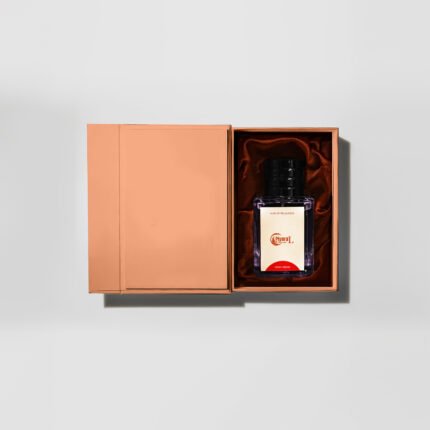


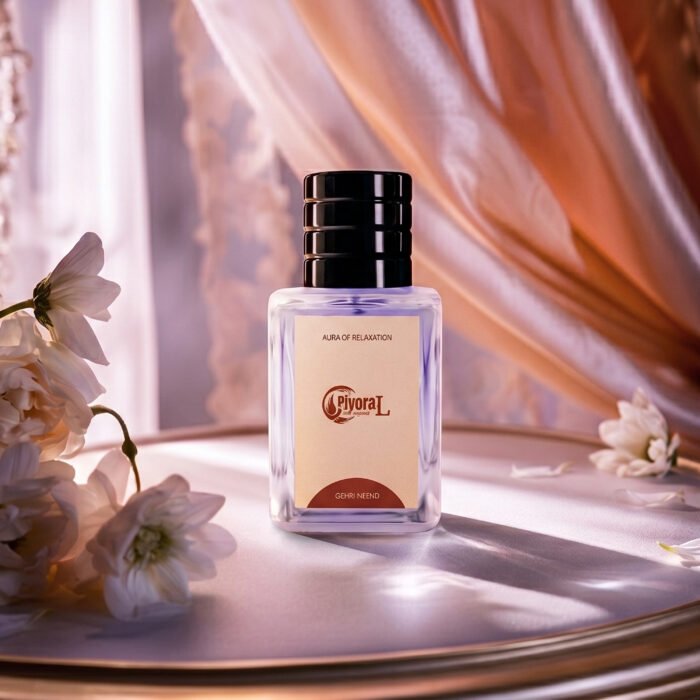




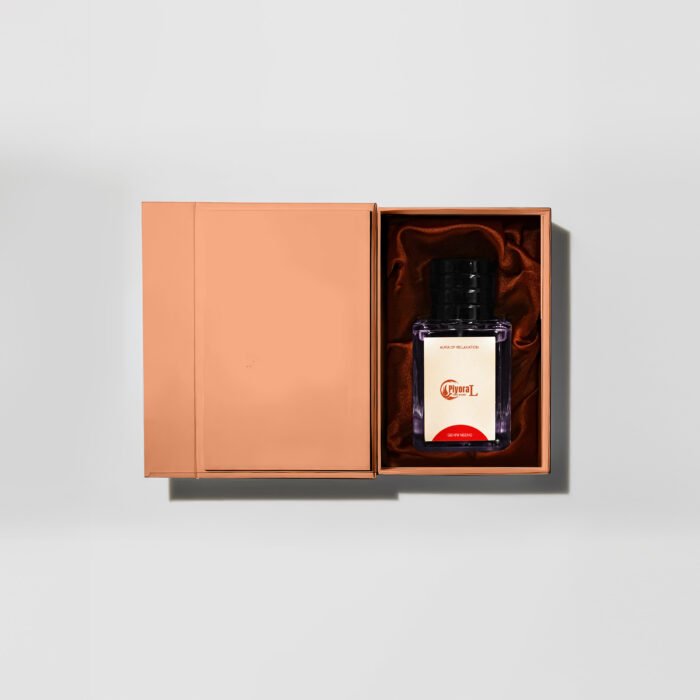
Aura of Relaxation (Gehri Nind) – 50 ML
404 in stock
3. Natural Remedy for Not Getting Sleep — Cool the Room Down
This one surprises people, but the science is clear: your core body temperature needs to drop slightly for sleep to begin and deepen. When you’re too warm, your body can’t complete this process properly — and you end up in lighter, more fragmented sleep.
The ideal sleep temperature for most adults is between 18–20°C. In Indian summers, that’s not always realistic. But even partial cooling helps:
- A fan pointed at your feet cools your body faster than one aimed at your face
- A lukewarm shower 60–90 minutes before bed causes your body temperature to drop as it reheats — paradoxically speeding up sleep onset
- Cotton bedding over synthetic materials makes a meaningful difference in how warm you feel through the night
None of these are complicated. But the temperature-sleep connection is genuinely underrated, and fixing it alone improves sleep quality for a lot of people who’d assumed their insomnia was psychological.
4. Natural Remedy for Deep Sleep — What You Put in Your Body in the Evening
Caffeine has a half-life of about 5–6 hours. That means if you have a coffee at 4pm, half of it is still in your system at 10pm. For people who are sensitive to caffeine — and more people are than realise — this is enough to prevent deep sleep even if you fall asleep fine.
Cut caffeine after 2pm and see what happens over a week. The effect is often significant and surprisingly fast.
On the positive side:
- Magnesium glycinate taken in the evening is one of the better-studied natural sleep supplements. It supports muscle relaxation and nervous system calm without the grogginess that most sleep aids cause
- Tart cherry juice contains naturally occurring melatonin and has small but real evidence behind it for improving sleep duration
- A small amount of warm milk or a light carbohydrate snack 90 minutes before bed can stabilise blood sugar through the night, preventing the cortisol spikes that wake some people at 3am
None of these are substitutes for fixing sleep habits. But as supporting elements — once your sleep window and pre-sleep routine are consistent — they add up.
5. Build a Sensory Wind-Down Ritual — And Actually Stick to It
Your brain is very good at associating environments and routines with states. This is why you feel alert at your desk and relaxed on your sofa. It’s why some people fall asleep the moment they get into a car.
You can deliberately build this kind of association for sleep — through a consistent pre-sleep ritual that your brain learns to read as a signal.
What goes in the ritual matters less than how consistently you do it. It could be:
- Dimming all lights 45 minutes before bed
- A specific herbal tea — same one, every night
- 5 minutes of slow breathing — not meditation, just breathing slowly and deliberately
- A fragrance applied at the same time every night
That last one is worth expanding on. Scent has a more direct connection to the brain’s sleep and emotion centres than most other sensory inputs — because the olfactory system connects to the limbic system without going through the thalamus first. When a particular scent is paired consistently with sleep, the brain begins to associate it with that state.
Lavender is the most researched scent for sleep — the compound linalool has anxiolytic and mild sedative effects that are well documented. Sandalwood (specifically alpha-santalol) has been shown to increase non-REM sleep duration. Vanilla creates a warm, safe sensory environment that signals calm to the nervous system.
Piyora L’s Gehri Nind is a sleep wellness perfume built around exactly this combination. It’s designed to be part of a nightly ritual — applied before bed, consistently, so the brain learns the association over time. Not a pill. Not an override. A signal.
Aura of Relaxation (Gehri Nind) – 50 ML
404 in stock
The Honest Reality of Natural Insomnia Relief
Natural remedies for insomnia work — but not overnight, and not without consistency. The people who benefit most are those who treat sleep as something worth investing in, rather than a problem to solve with a single fix.
If you’ve been struggling for weeks or months, start with one thing: fix your wake time. Do it for two weeks without exception. That single change, done consistently, does more for most people’s sleep than anything else on this list.
Then layer in the others — cooler room, evening wind-down, sensory ritual. Each one compounds.
And if you’ve been relying on sleep medication and want to move away from it — that’s a conversation worth having with a doctor. These natural approaches can be done alongside that process, not instead of medical guidance.
Sleep isn’t a luxury. It’s when your body repairs, your memory consolidates, and your nervous system resets. It’s worth treating seriously.
Frequently Asked Questions
Q1. What is the best natural remedy for insomnia?
The most effective natural remedy for insomnia is fixing your sleep-wake schedule — going to bed and waking at the same time every day, including weekends. This resets your circadian rhythm, which is the underlying cause of most chronic insomnia. Once that’s consistent, a pre-sleep wind-down ritual, cool room temperature, and reducing evening caffeine all add significantly to sleep quality.
Q2. How to sleep without medicine naturally?
Sleeping without medication is possible for most people through three changes: consistent wake times (even after bad nights), a wind-down ritual that starts 45–60 minutes before bed, and removing your phone from the bedroom. If racing thoughts are the main issue, writing a to-do list and worry dump before bed has clinical evidence behind it for reducing sleep onset time.
Q3. What is a natural remedy for not getting sleep at night?
If you’re lying awake and can’t sleep, one effective technique is to get out of bed and go to a dimly lit room until you feel genuinely sleepy. Staying in bed while awake trains your brain to associate bed with wakefulness — the opposite of what you want. Keep the bedroom only for sleep. This behavioural technique, called stimulus control, is one of the most evidence-backed natural approaches for chronic insomnia.
Q4. Does scent actually help with sleep?
Yes — and the mechanism is well understood. Scent is the only sense that connects directly to the limbic system (which regulates emotion and sleep) without going through the thalamus. Lavender in particular has been studied extensively: its compound linalool activates GABA receptors in the brain — the same pathway as some sleep medications, but without dependency or grogginess. Consistency matters — the association builds over time.
Q5. What is natural remedy for deep sleep specifically?
Deep (non-REM) sleep improves most with temperature regulation and consistent sleep timing. Keeping your bedroom between 18–20°C allows your core body temperature to drop, which is necessary for deep sleep to occur. Magnesium glycinate in the evening supports muscle relaxation and has modest evidence for improving sleep depth. Sandalwood fragrance has also been studied for increasing non-REM sleep duration.
Q6. What is Gehri Nind by Piyora L?
Gehri Nind — meaning ‘deep sleep’ in Hindi — is a purpose-built sleep wellness perfume by Piyora L, an Indian D2C fragrance brand. It is formulated with lavender, sandalwood, and vanilla — three ingredients with documented sleep-supporting properties. It is designed to be used as part of a consistent bedtime ritual, building a sensory association with sleep over time. It is not a sedative — it is a signal.