Blog
Does Lavender Perfume Actually Help You Sleep? The Science, the Myths, and What Really Works

Lavender has been recommended for sleep for so long that most people just accept it as fact. Light a candle, use a pillow spray, apply some oil — and apparently, good sleep follows.
But does it actually work? Or is it the kind of wellness advice that sounds reasonable and gets passed around until nobody questions it anymore?
The honest answer is: lavender does help with sleep — but not in the way most people think, not for everyone equally, and not through every product that slaps ‘lavender’ on the label. The details matter. Here’s what the research actually shows, what the mechanism is, and how to use lavender fragrance in a way that’s actually likely to do something.
What Lavender Actually Does to Your Brain
Lavender’s sleep effects aren’t folklore. They’re documented — though the research is more nuanced than the marketing suggests.
The active compounds responsible are linalool and linalyl acetate, which together make up roughly 80% of lavender essential oil. These compounds interact with the GABA system in the brain — the same system that anti-anxiety medications and sedatives work on, though through a gentler, indirect mechanism.
GABA (gamma-aminobutyric acid) is the brain’s primary inhibitory neurotransmitter. When GABA activity increases, neuronal excitability decreases — which means your brain quiets down. This is precisely the state needed for sleep onset: a nervous system that stops processing and starts resting.
Multiple studies have shown that inhaling lavender before sleep — not ingesting it, not applying it topically, specifically inhaling it — reduces sleep onset time, increases slow-wave (deep) sleep, and improves subjective sleep quality. A 2015 study in the Journal of Alternative and Complementary Medicine found that lavender aromatherapy significantly improved sleep quality in college students with self-reported sleep issues over a four-week period.
Another angle: cortisol. Lavender inhalation has been shown to reduce salivary cortisol — the stress hormone that, when elevated at bedtime, actively prevents sleep. Cortisol is supposed to be low at night. When it isn’t — because of stress, late-night screen use, or an overactive nervous system — sleep becomes difficult regardless of how tired you are. Lavender works partly by lowering this barrier.
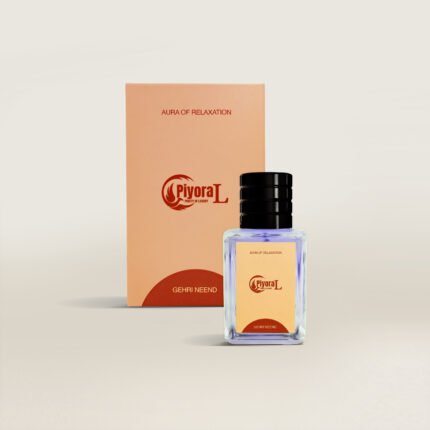
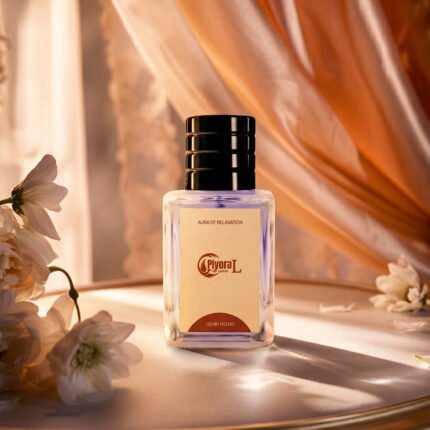
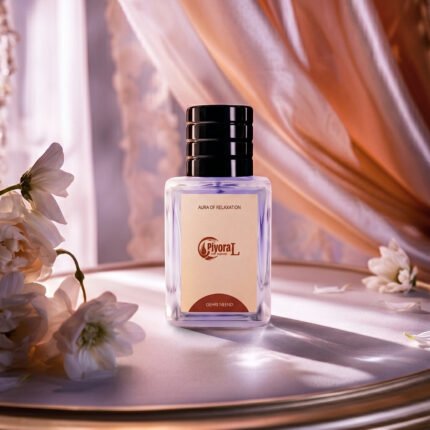
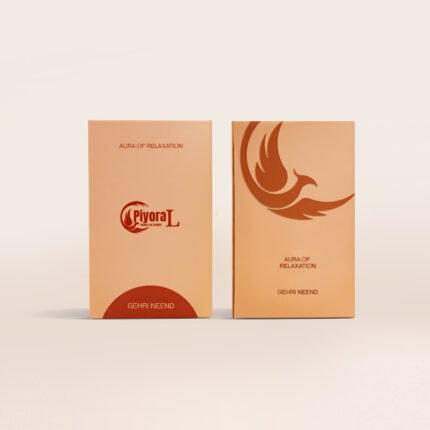
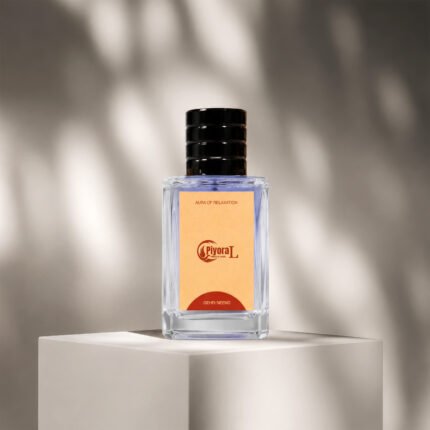
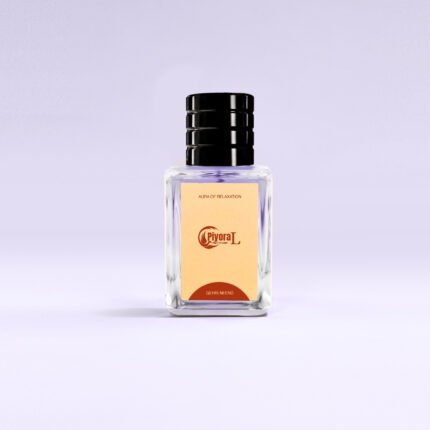

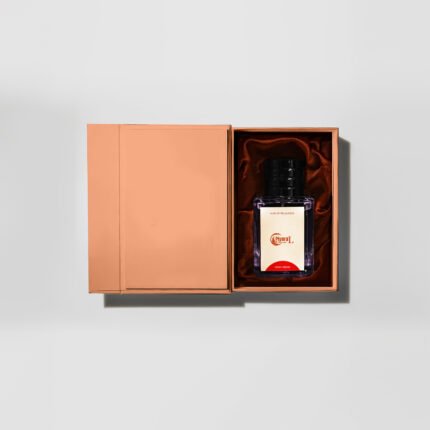
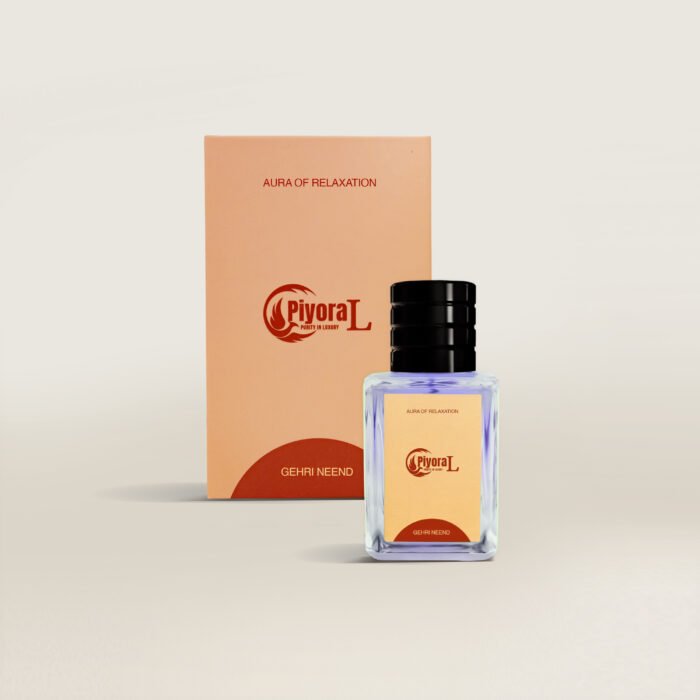
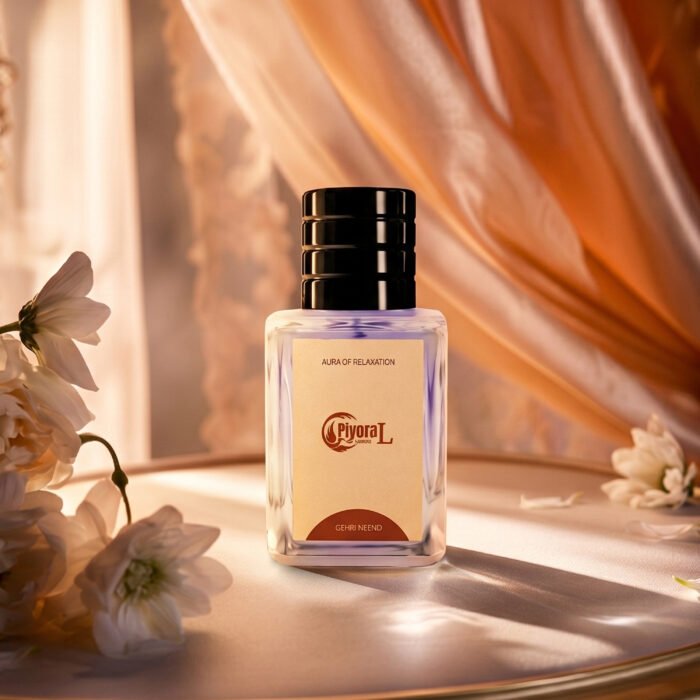
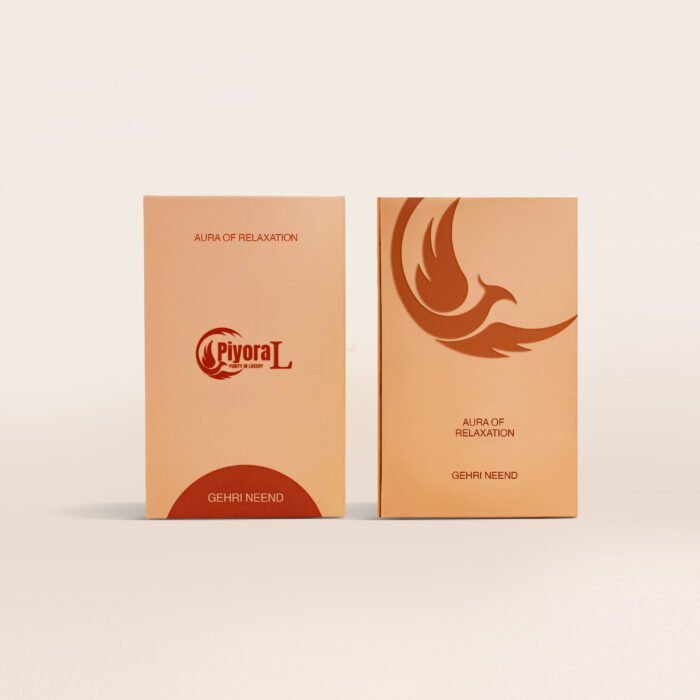
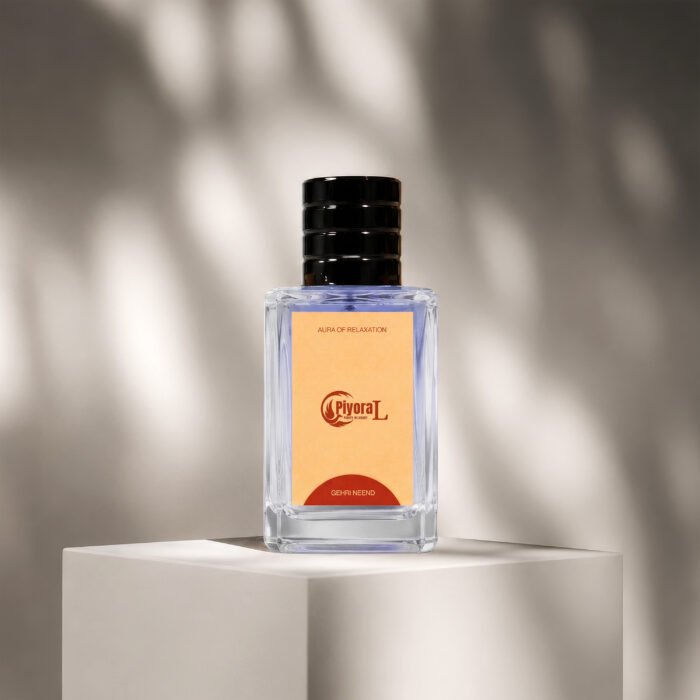
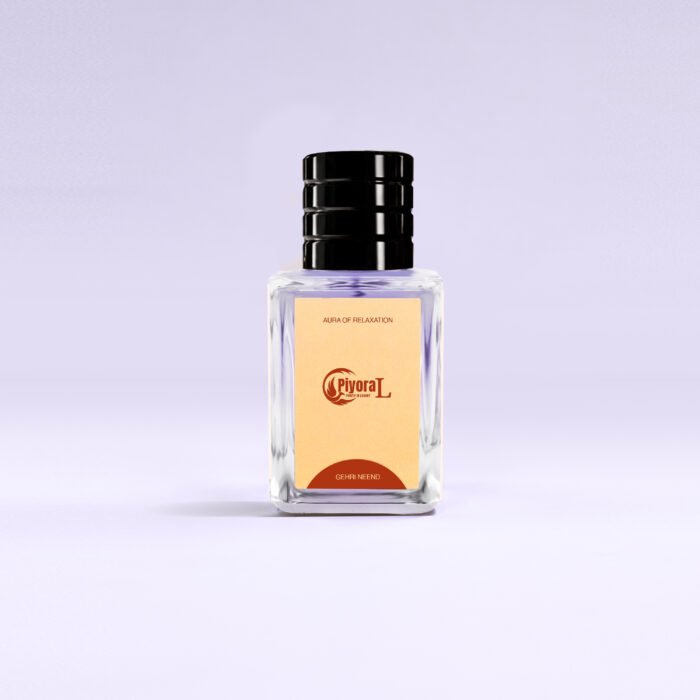
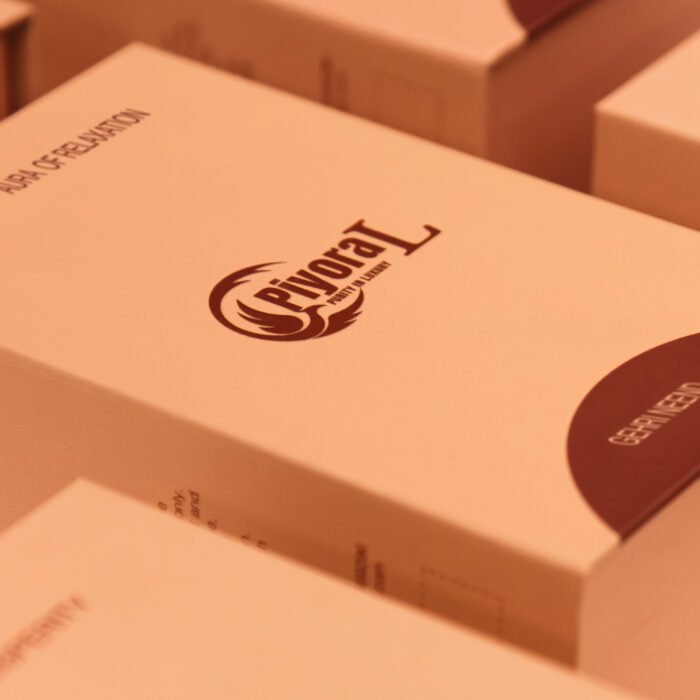
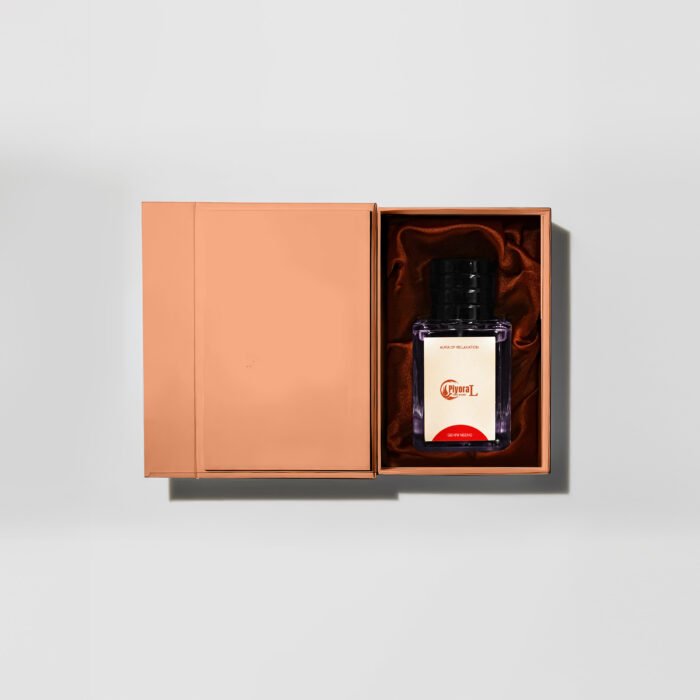
Aura of Relaxation (Gehri Nind) – 50 ML
404 in stock
The Myth Part: What Lavender Can’t Do
Here’s where the honest version diverges from what most sleep product marketing implies.
Lavender is not a sedative. It does not knock you out, override a racing mind, or compensate for poor sleep habits. If you’re chronically sleep-deprived, highly stressed, consuming caffeine late in the day, or sleeping on an irregular schedule, lavender fragrance will not fix this.
The research also shows that effects are generally modest and cumulative. This is not a one-night solution. The studies that show meaningful results tend to run over multiple weeks — the benefit builds through consistent use as the brain creates an association between the scent and the physiological state of pre-sleep calm.
Product quality matters enormously too. A lavender candle burning across the room is not the same as lavender essential oil applied close to the skin or diffused directly into your breathing space. A synthetic lavender fragrance in a cheap spray may smell like lavender but will not contain the active compounds responsible for the neurological effects. Linalool and linalyl acetate need to be present — and present in sufficient concentration — for the mechanism to engage.
This distinction — between genuine lavender aromatherapy and lavender-scented products — is one that most marketing glosses over and most consumers never think to check.
Lavender Fragrance Specifically — Is a Perfume Different from Essential Oil?
This is a question worth answering directly, because it comes up a lot.
Traditional aromatherapy research uses lavender essential oil — concentrated, undiluted, applied via diffuser or direct inhalation. Perfumes work differently: they’re diluted in a carrier (usually alcohol), designed for skin application, and formulated for longevity and projection rather than therapeutic concentration.
Does this mean lavender in a perfume does nothing for sleep? Not exactly.
The mechanism of action for lavender’s sleep effects is olfactory — it works through smell, not through absorption. Which means what matters is whether the linalool reaches your olfactory receptors in sufficient quantity, and for long enough, to trigger the neurological response.
A well-formulated lavender perfume applied before bed — on wrists, neck, or pulse points — does release linalool into the air around you as you lie down. The concentration is lower than essential oil, but the exposure is prolonged. Applied consistently as part of a pre-sleep ritual, this is different from a one-off essential oil use.
The key word is consistently. This is where the conditioned association compounds the direct chemical effect: your brain begins to associate the scent with the state of winding down. Over weeks, the smell itself begins to trigger the physiological pre-sleep response before the linalool even reaches its receptors.
This is why a sleep perfume used as a ritual is genuinely different from the same perfume used randomly. The ritual is doing work that the chemistry alone cannot.
How to Actually Use Lavender Fragrance for Sleep — Practically
Given all of the above, here’s what using lavender for sleep correctly looks like:
- Timing: apply 20–30 minutes before you intend to sleep, not right as you get into bed. This gives the fragrance time to settle and begin its effect before you’re trying to sleep
- Application: wrists, neck, and behind the ears — pulse points that emit heat and help diffuse the fragrance continuously as you lie down
- Consistency: this matters more than any single night’s application. The neurological association builds over two to three weeks of regular use. Use it every night, not occasionally
- Environment: dim the lights when you apply it. Use this moment as the start of a wind-down — putting your phone away, cooling the room, signalling to your nervous system that the day is ending
- Quality: if you’re using a perfume, check that it contains actual lavender or lavender essential oil, not synthetic fragrance labelled as lavender. The difference in effect is real
One thing worth noting: individual response to lavender varies. Some people find it profoundly calming. Others find the scent too strong or don’t respond to it particularly. If you’ve tried lavender and found it did nothing, it may be the product, the application method, or simply that your neurochemistry doesn’t respond to linalool strongly. That’s not a failure — it’s information.
Where Gehri Nind Fits Into This
Piyora L’s Gehri Nind is built around the combination of lavender, sandalwood, and vanilla — three ingredients that each support sleep through different mechanisms: lavender through its GABA-adjacent effect and cortisol reduction, sandalwood through its documented impact on non-REM sleep duration, and vanilla through its cortisol-reducing warmth that signals physiological safety to the nervous system.
The combination isn’t accidental. These three work together rather than simply adding up — lavender handles the anxiety and onset, sandalwood deepens the sleep once it starts, vanilla sustains the calm baseline. For someone trying to use fragrance as a genuine sleep tool rather than just a nice smell before bed, the formulation matters.
Gehri Nind is designed to be used exactly the way described above — consistently, as part of an evening ritual, applied to pulse points 20–30 minutes before sleep. Not as a supplement, not as a replacement for good sleep habits, but as a sensory anchor that supports the whole process.
The Bottom Line on Lavender and Sleep
Lavender does help with sleep — through a real neurochemical mechanism, supported by genuine research. But it helps most when used correctly: consistently, as part of a broader wind-down routine, in a product that actually contains meaningful levels of the active compounds.
It is not magic, and it is not a replacement for fixing the fundamentals — sleep timing, screen use, stress management. But as a supporting element in a solid sleep routine, lavender is one of the better-evidenced natural tools available.
The people who get the most out of it are the ones who treat it as a ritual rather than a remedy. The scent becomes a signal. The signal becomes a habit. The habit becomes sleep.
NOTE- Gehri Nind by Piyora L combines lavender with sandalwood and vanilla — formulated as a sleep ritual fragrance rather than a conventional perfume. Explore Gehri Nind
-
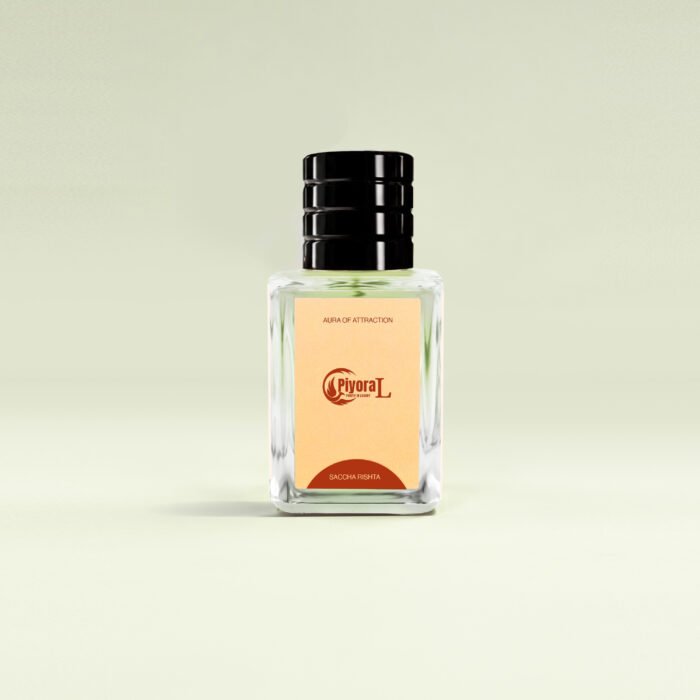
Aura of Attraction (Saccha Rishta | सच्चा रिश्ता) – 50 ML
Original price was: ₹1,699.00.₹1,099.00Current price is: ₹1,099.00. -
Aura of Peace (Anger Control | शांत मन) – 50 ML
Original price was: ₹1,699.00.₹1,099.00Current price is: ₹1,099.00. -
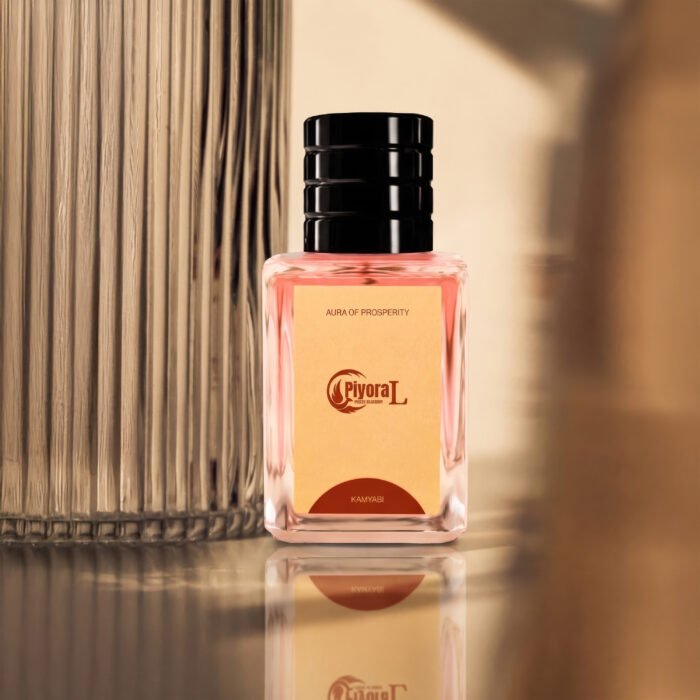
Aura of Prosperity (Kamyabi) – 50 ML
Original price was: ₹1,699.00.₹1,099.00Current price is: ₹1,099.00. -
Aura of Relaxation (Gehri Nind) – 50 ML
Original price was: ₹1,699.00.₹1,099.00Current price is: ₹1,099.00.